




 Shop All Packaging
 Glass Containers
 Plastic Containers
 Metal Containers
 Cardboard Containers
 Bulk Containers
 Industrial Containers
 Caps / Closures
 Shrink Bands
 Design Custom Labels
 Subscribe & Save Orders
 Shop By Industry
 Custom Packaging
 Pallet Qty Packaging
 SKS Direct Wholesale
 Packaging Equipment
 Help/Info
 New Products
 Promotions
 Newsletters
 Product Specials
 Combo Kit Deals
 Product Closeouts
 Recently Back In Stock









What Actually Makes a Cap Legally Child-Resistant?
CPSC Testing Standards for Child Resistant Closures and Why "Hard to Open" Isn't the Same as Certified
A cap that's genuinely difficult to open isn't automatically child-resistant in the legal sense, and confusing the two can create real compliance exposure if your product is regulated. This page covers what legally makes a cap child-resistant, how certification actually works, and what to check before you assume a closure meets your regulatory requirement. Shop our full range of child-resistant caps across sizes and mechanisms.
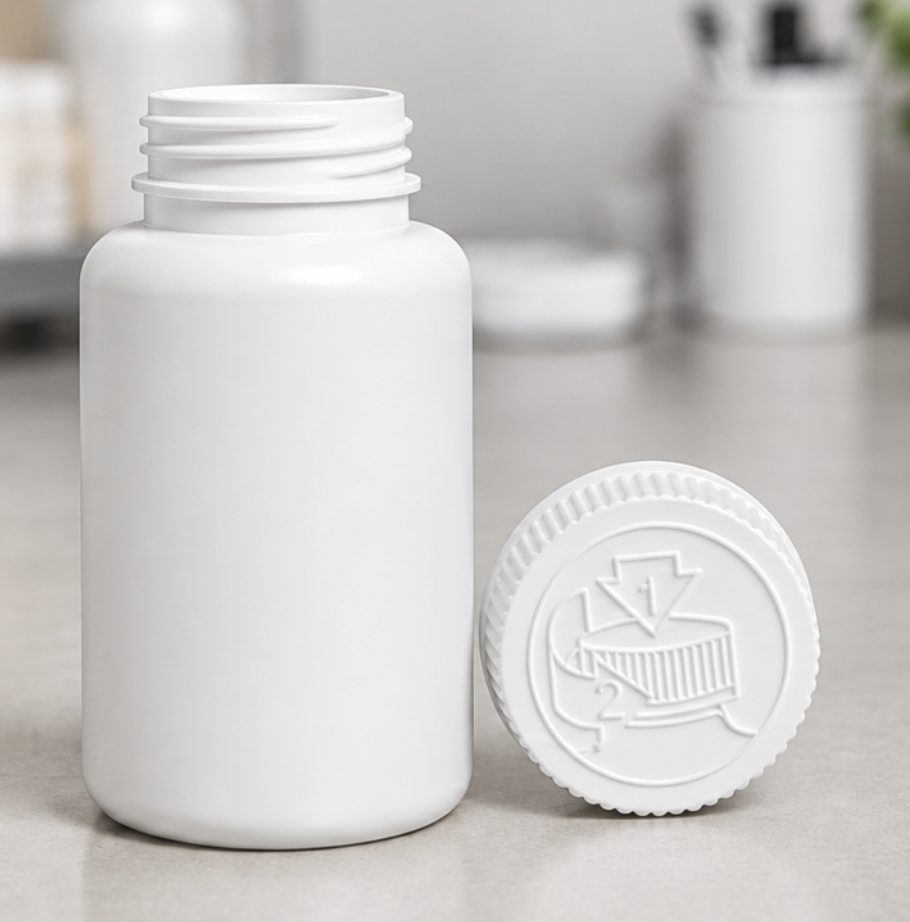
Child-Resistant Is a Certified Standard, Not a Design Style
In the United States, child-resistant packaging is defined and tested under standards set by the Consumer Product Safety Commission (CPSC), specifically 16 CFR 1700.20. A closure only qualifies as child-resistant if it has actually passed this standardized testing protocol, which involves real panels of children attempting to open the package under controlled conditions. A cap that simply feels stiff or requires more force to open hasn't been tested this way and can't be marketed or relied upon as legally compliant just because it's harder to twist.
What Child Resistance Testing Actually Measures
The CPSC protocol tests a package against panels of children under age five, requiring that a defined percentage fail to open it within a set time period, while also confirming that a separate panel of adults can open it successfully. This dual requirement is why most genuine child-resistant mechanisms use a specific motion - push-and-turn, squeeze-and-turn, or a similar combined action - since a design that's simply stiff to turn doesn't reliably stop a child while still remaining usable for an adult, especially an older adult with reduced grip strength. Read our product spotlight on child-resistant caps to see these mechanisms compared directly.
Does Every Product Need A Child Resistant Cap?
Not every product carries a legal requirement for child-resistant packaging, but certain categories genuinely do under federal and state regulations - this commonly includes many pharmaceutical products, certain household chemicals and cleaners, and, in states with legal cannabis markets, cannabis products specifically. Confirming your specific product category's actual requirement directly with the CPSC or your relevant state regulatory body is worth doing before you finalize packaging, since requirements can vary by category and can change over time - assuming either way, that you need one or that you don't, carries real risk.What to Check Before You Order
If your product genuinely requires child-resistant packaging, confirm the specific closure you're considering is actually rated and tested to the CPSC standard, not just described in marketing language as "child-resistant" without a clear certification behind it. Our child-resistant cap listings specify the mechanism type for exactly this reason - a push-and-turn or squeeze-and-turn closure with a defined mechanism is a stronger indicator of genuine compliance than a cap simply described as tight-fitting or difficult to open.Related Containers & Closures You May Like
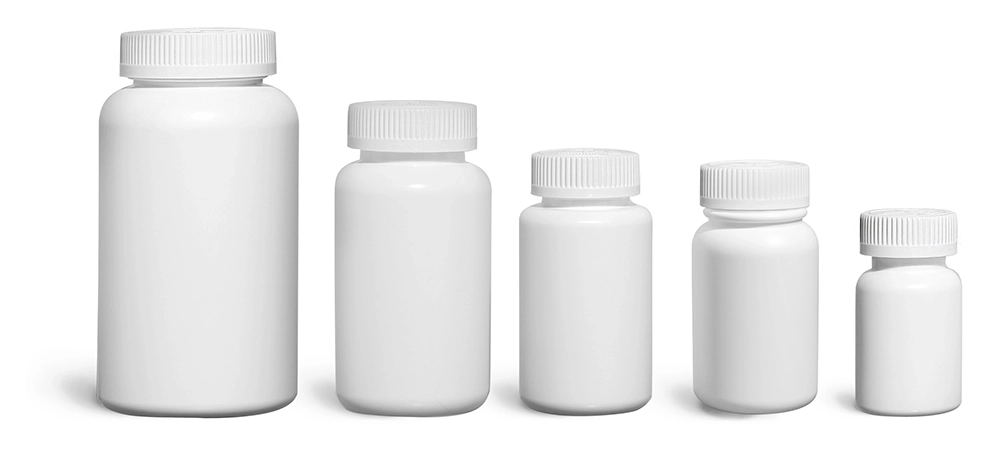 HDPE Plastic Bottles, White Pharmaceutical Round Bottles w/ White Child Resistant Caps
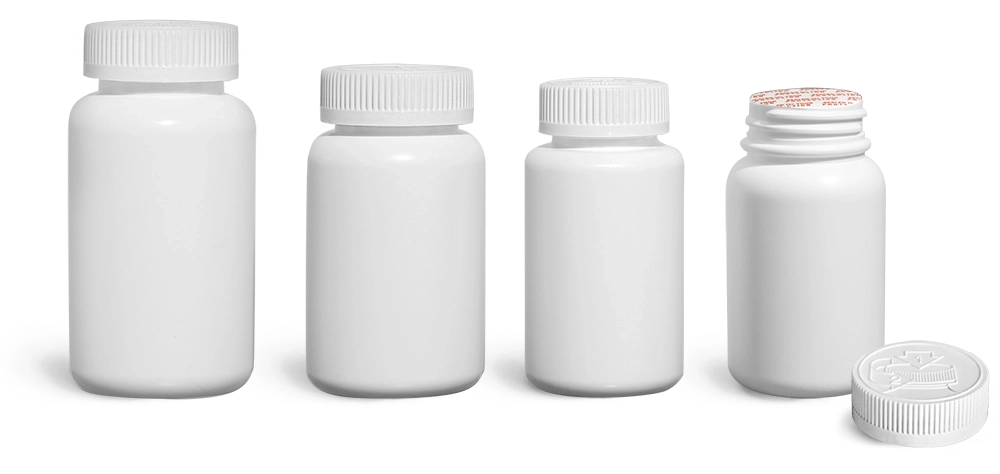 HDPE Plastic Bottles, White Pharmaceutical Round Bottles w/ White Induction Lined Child Resistant Caps
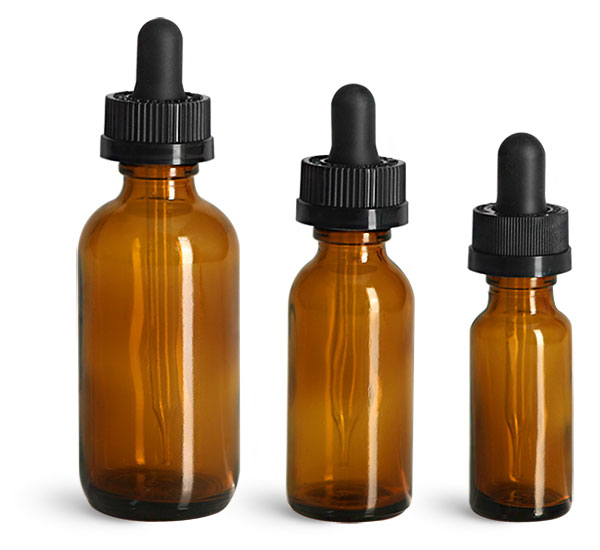 Amber Glass Bottles, Boston Round Bottles w/ Child Resistant Glass Droppers
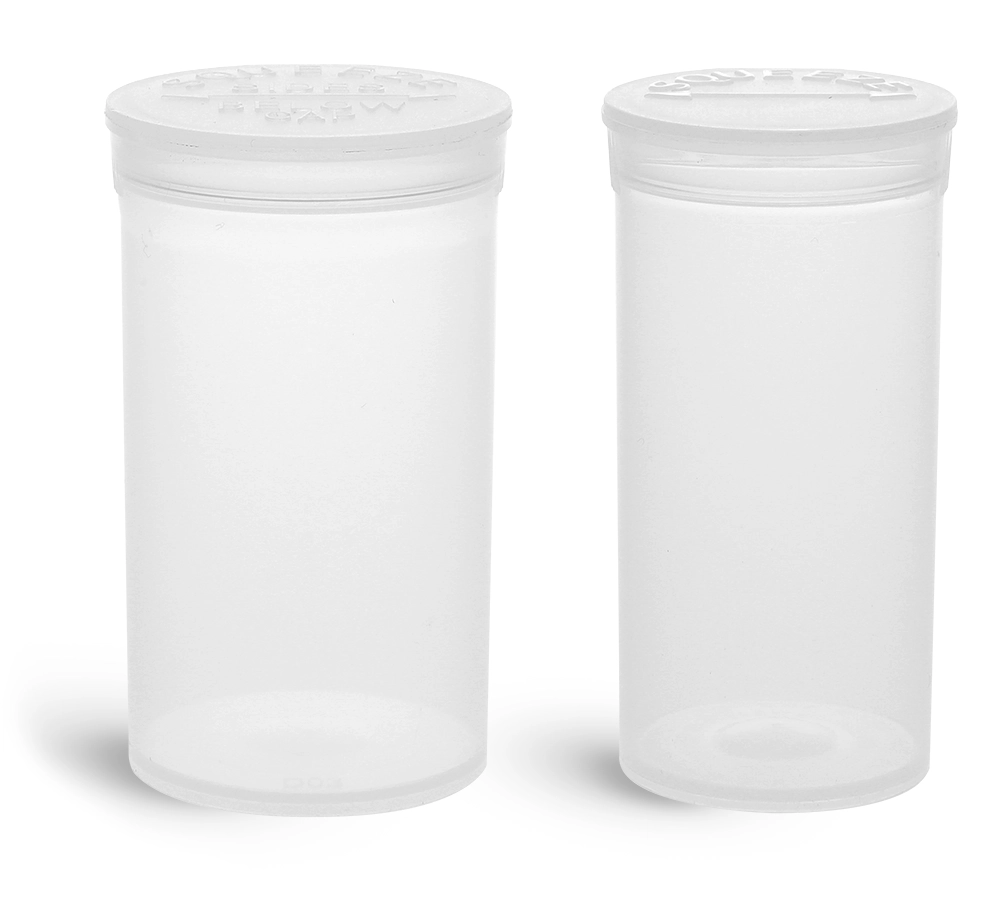 Plastic Vials, Natural Polypropylene Plastic Pop Top Child Resistant Vials
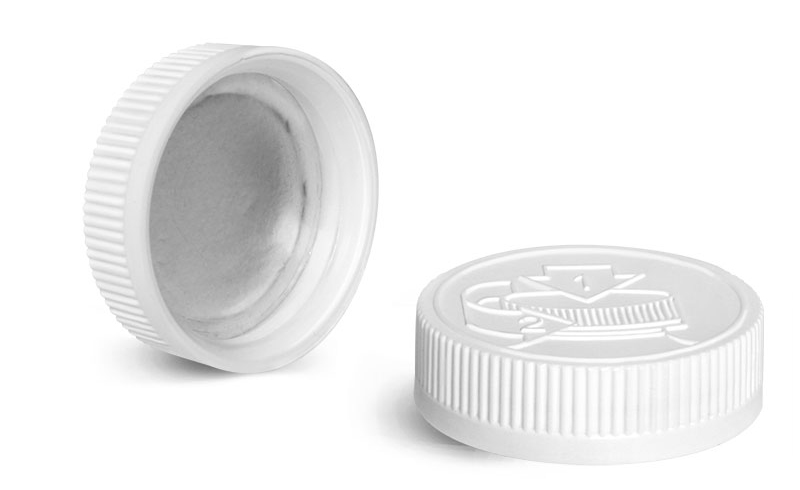 Child Resistant Caps, White Induction Lined Child Resistant Caps w/ Universal Picture
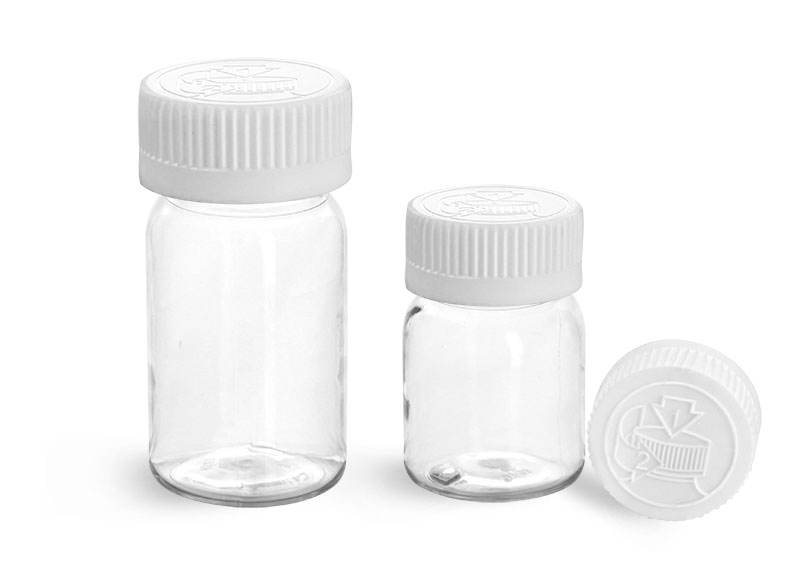 PET Plastic Bottles, Clear Wide Mouth Round Bottles w/ White Child Resistant Lined Caps
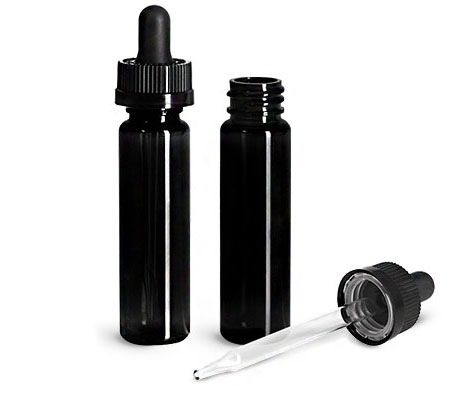 PET Plastic Bottles, Black Slim Line Cylinder Bottles w/ Black Child Resistant Glass Bulb Droppers
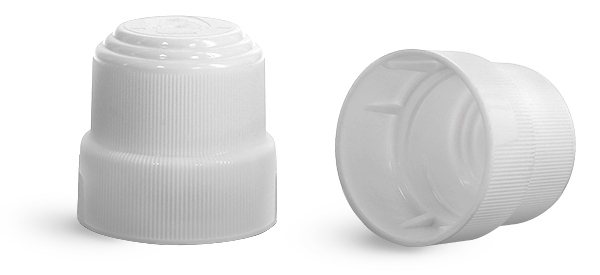 White Polypropylene Child Resistant Caps For 3 oz Roll On Bottles
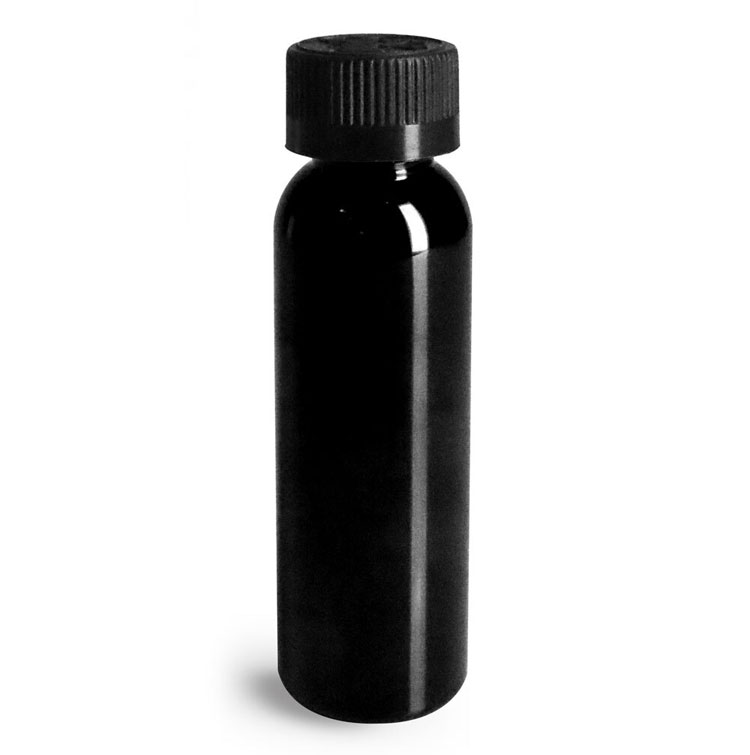 PET Plastic Bottles, Black Cosmo Round Bottles w/ Black Child Resistant Caps
Being legally child-resistant means passing real CPSC testing, not just feeling hard to open - confirm your closure's actual certification before assuming it meets a regulatory requirement.
Shop our full range of child-resistant caps with clearly specified mechanisms across bottle and jar sizes.
Related Packaging Information
- Product Spotlight - Child Resistant Caps
- Top 5 Reasons to use Child Resistant Packaging
- Product Spotlight - Child Resistant Packaging for Pharmaceuticals
- Product Spotlight - Child Resistant Packaging for Medical Marijuana Products
- Product Spotlight - Child Resistant Packaging for Supplements
Why Businesses Choose SKS Bottle & Packaging
SKS Bottle & Packaging makes it easy to order bottles, jars, and packaging supplies online. From fast shipping to flexible savings programs, our goal is to help businesses of all sizes source reliable packaging with a smooth and efficient ordering experience.
Chat with Us