


 Shop All Packaging
 Glass Containers
 Plastic Containers
 Metal Containers
 Cardboard Containers
 Bulk Containers
 Industrial Containers
 Caps / Closures
 Shrink Bands
 Design Custom Labels
 Subscribe & Save Orders
 Shop By Industry
 Custom Packaging
 Pallet Qty Packaging
 SKS Direct Wholesale
 Packaging Equipment
 Help/Info
 New Products
 Promotions
 Newsletters
 Product Specials
 Combo Kit Deals
 Product Closeouts
 Recently Back In Stock









How to Tell If a Plastic Container Is Food-Grade Safe
Reading Resin Codes and Understanding What Food-Grade Actually Means
Not every plastic container is safe for food contact, and the difference isn't always obvious just by looking at the material. This guide covers how to tell if a plastic container is food-grade safe, including how to read resin identification codes and what "food-grade" does and doesn't actually guarantee. Browse our full range of plastic bottles for genuinely food-safe options.
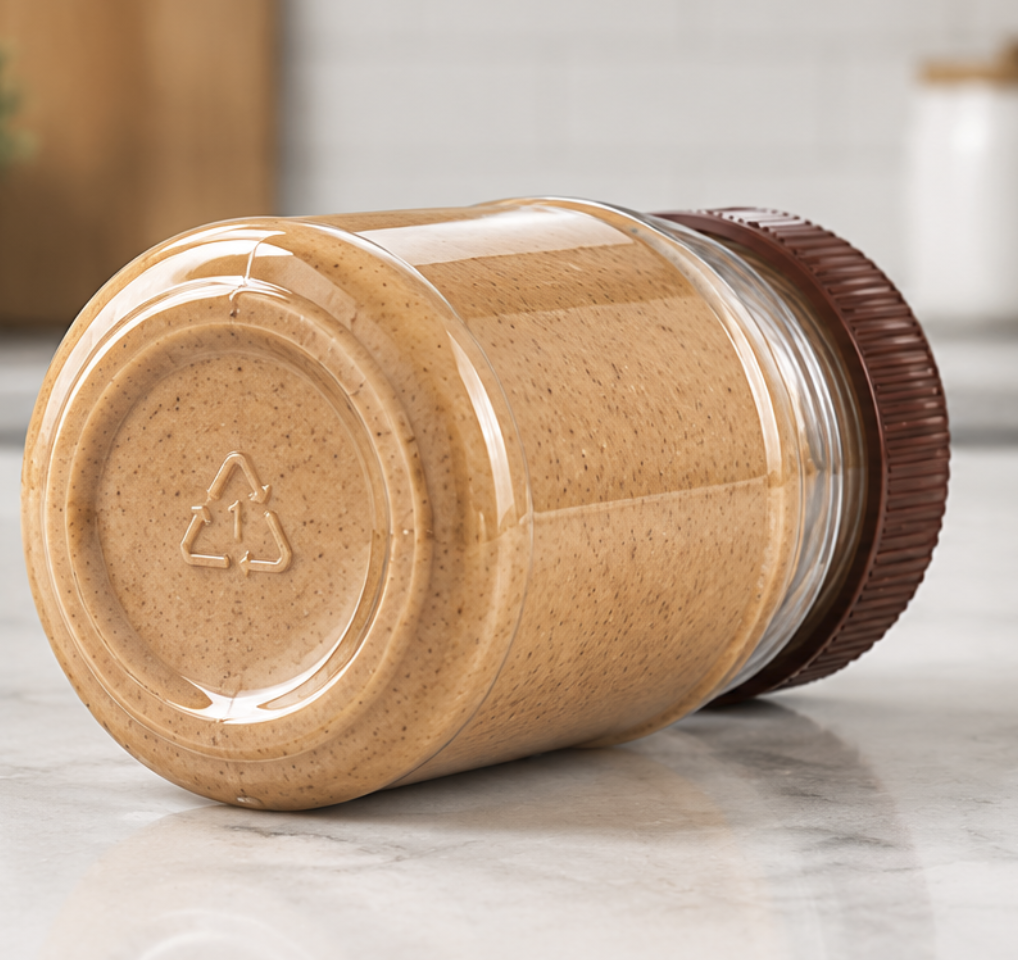
- Look for the resin identification code on the container - Most plastic containers have a small triangular recycling symbol with a number from 1 to 7 inside it, usually molded into the base. This number identifies the specific plastic resin used, which is the starting point for understanding whether that material is generally considered food-safe.
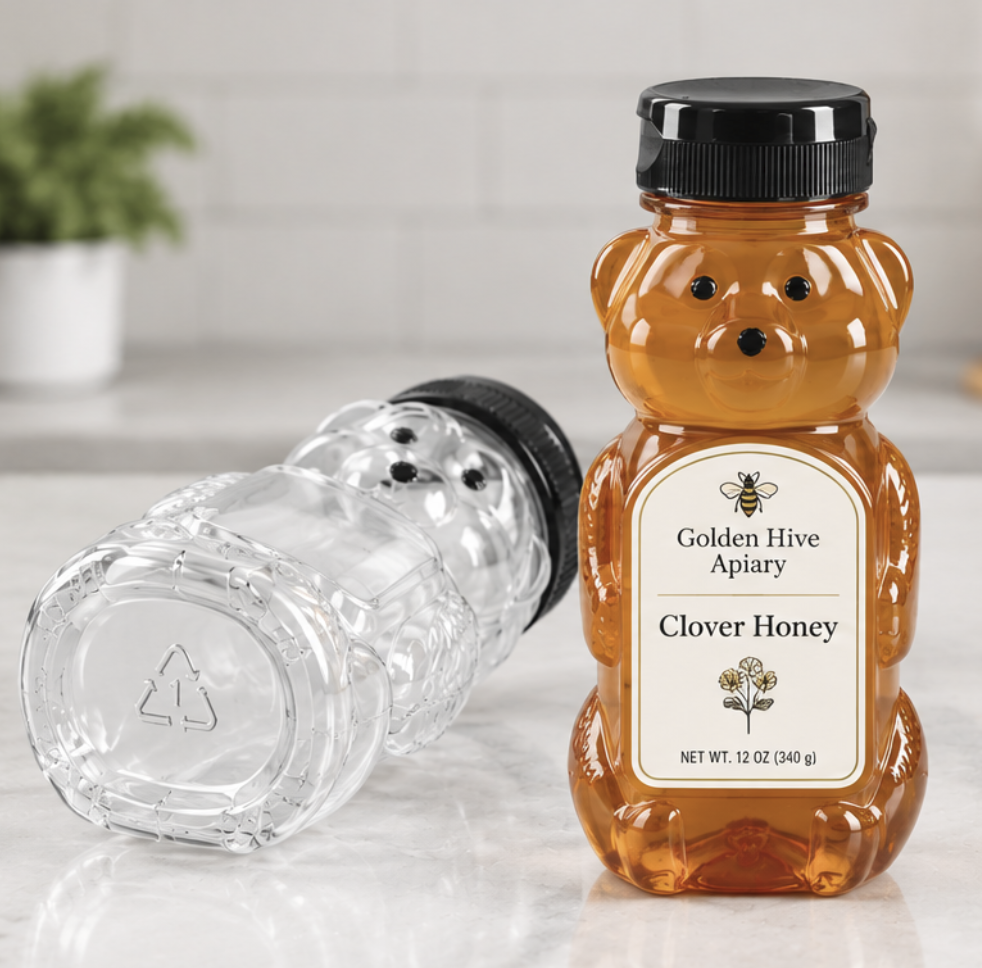
- Know which resin codes are commonly used for food contact - Codes 1 (PET), 2 (HDPE), 4 (LDPE), and 5 (PP) are the resins most commonly approved and used for food and beverage packaging. Code 3 (PVC), 6 (PS), and 7 (a catch-all for other or mixed plastics) are less commonly used for direct food contact and warrant more caution.
- Check the product listing for explicit FDA food-contact language - A resin code alone doesn't guarantee a specific container is approved for food use, since manufacturing additives and coatings vary between products even within the same resin type. Look for a product page that explicitly states the container is FDA approved, rather than assuming this based on the resin code.
- Understand that food-grade doesn't mean food is required or automatic - "Food-grade" describes a container's manufacturing and material compliance - it doesn't mean the container was necessarily used for food previously, nor does it certify a specific formula or product as safe. Food-grade is a packaging material standard, not a guarantee about what should go inside it.
- Consider your specific product's properties, not just the container's rating - A food-grade container rated for a dry product may not be the right choice for something oily, acidic, or alcohol-based, since these properties can interact differently with a given plastic even within food-grade materials. Match the container to your product's specific characteristics, not just its general food-grade status.
- When in doubt, contact the container's manufacturer or supplier directly - For any use case with real regulatory stakes - a commercial food or beverage product, for instance - confirming food-grade status directly with the container's manufacturer or supplier is more reliable than inferring it from a resin code or general description alone.
Related Containers & Closures You May Like
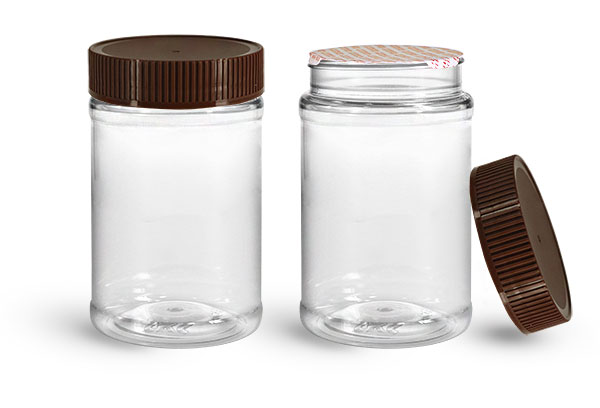 PET Plastic Jars, Clear Food Jars w/ Brown Ribbed Induction Lined Caps
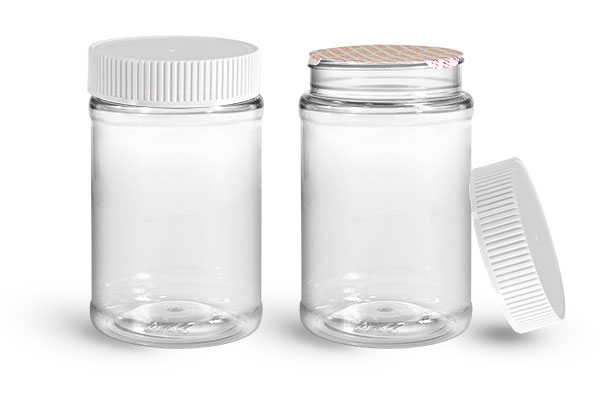 PET Plastic Jars, Clear Food Jars w/ White Ribbed Induction Lined Caps
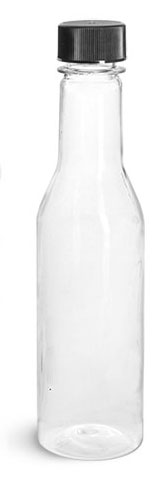 PET Plastic Bottles, Clear Sauce Bottles w/ Black Ribbed Lined Caps & Orifice Reducers
 PET Plastic Bottles, Clear Barbecue Sauce Bottles w/ White Ribbed Lined Caps
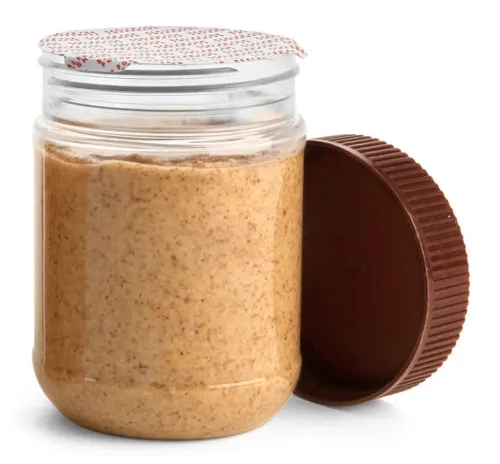 12 oz Clear Peanut Butter Jars w/ Brown Ribbed Induction Lined Caps
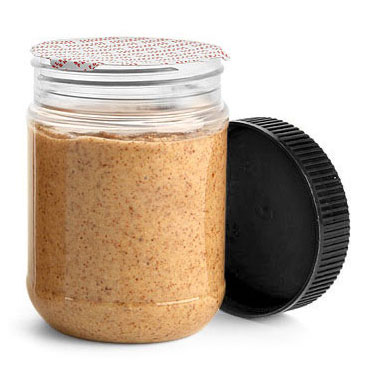 PET Plastic Jars, Clear Peanut Butter Jars w/ Black Ribbed Induction Lined Caps
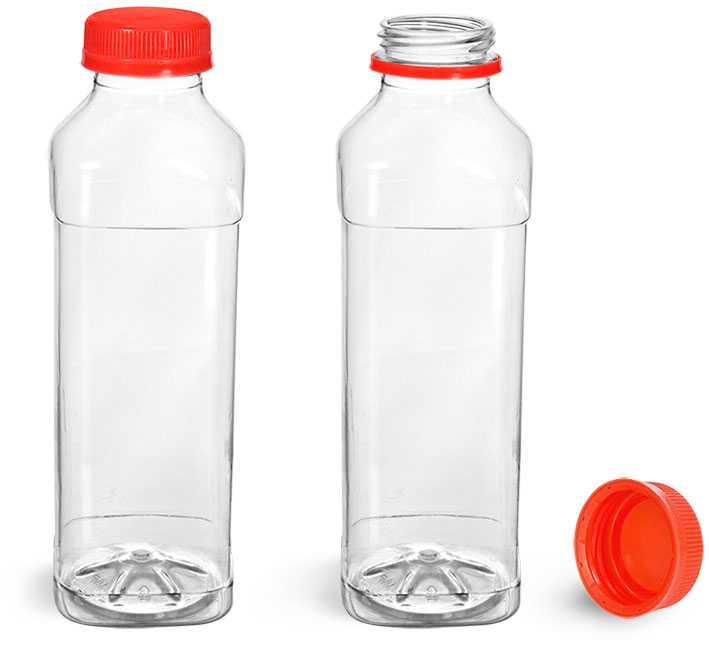 PET Plastic Bottles, 16 oz Clear Beverage Bottles w/ Red Polypropylene Tamper Evident Caps
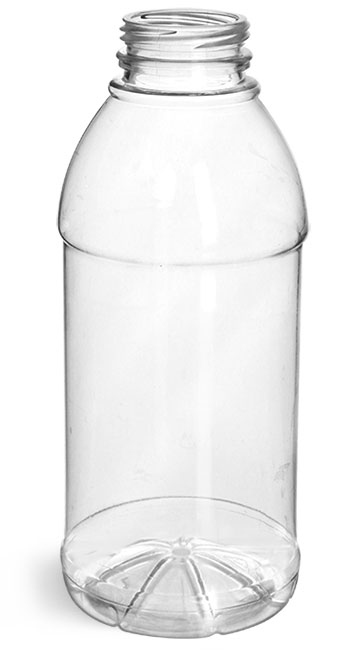 PET Plastic Bottles, 16 oz Clear Beverage Bottles (Bulk), Caps Not Included
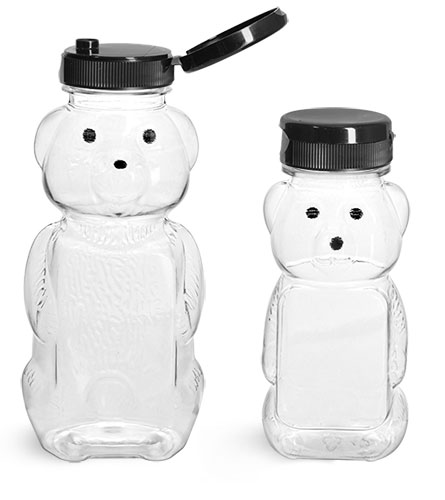 PET Plastic Bottles, Clear Honey Bear Bottles w/ Black Snap-Top Caps
How to Tell If a Plastic Container Is Food-Grade Safe FAQ
Telling whether a plastic container is food-grade safe starts with the resin code, but confirming explicit FDA food-contact language on the actual product is the more reliable check.
What Does the Number Inside the Triangle Symbol Mean?
It's a resin identification code from 1 to 7 that identifies the specific plastic resin used in the container, which is a starting point for assessing food safety.
Which Resin Codes Are Considered Food-Safe?
Codes 1 (PET), 2 (HDPE), 4 (LDPE), and 5 (PP) are the resins most commonly approved and used for food and beverage packaging.
Is a Resin Code Enough to Confirm a Container Is Food-Safe?
Not on its own - manufacturing additives and coatings vary between products even within the same resin type, so explicit FDA food-contact language on the product listing is more reliable.
Does Food-Grade Mean the Container Was Used for Food Before?
No - food-grade describes a container's manufacturing and material compliance, not its prior use, and it doesn't certify any specific product placed inside it as safe.
Should I Contact the Manufacturer If I'm Not Sure?
Yes - for any use case with real regulatory stakes, confirming food-grade status directly with the manufacturer or supplier is more reliable than inferring it from a resin code alone.
Related Packaging Information
- FAQ Regarding The FDA and Packaging Products
- FDA Approved & BPA Free Packaging
- Plastic Container Recycle Codes
- Are Plastic Bottles Recyclable?
- Product Spotlight - Peanut Butter Jars
- Product Spotlight - Clear Plastic Beverage Bottles
- Product Spotlight - Glass and Plastic Condiment & Sauce Bottles
Why Businesses Choose SKS Bottle & Packaging
SKS Bottle & Packaging makes it easy to order bottles, jars, and packaging supplies online. From fast shipping to flexible savings programs, our goal is to help businesses of all sizes source reliable packaging with a smooth and efficient ordering experience.
Chat with Us