



 Shop All Packaging
 Glass Containers
 Plastic Containers
 Metal Containers
 Cardboard Containers
 Bulk Containers
 Industrial Containers
 Caps / Closures
 Shrink Bands
 Design Custom Labels
 Subscribe & Save Orders
 Shop By Industry
 Custom Packaging
 Pallet Qty Packaging
 SKS Direct Wholesale
 Packaging Equipment
 Help/Info
 New Products
 Promotions
 Newsletters
 Product Specials
 Combo Kit Deals
 Product Closeouts
 Recently Back In Stock






November 2026
Cold Weather Packaging: How Winter Affects Bottles, Jars & Tins
 Cold Weather Packaging


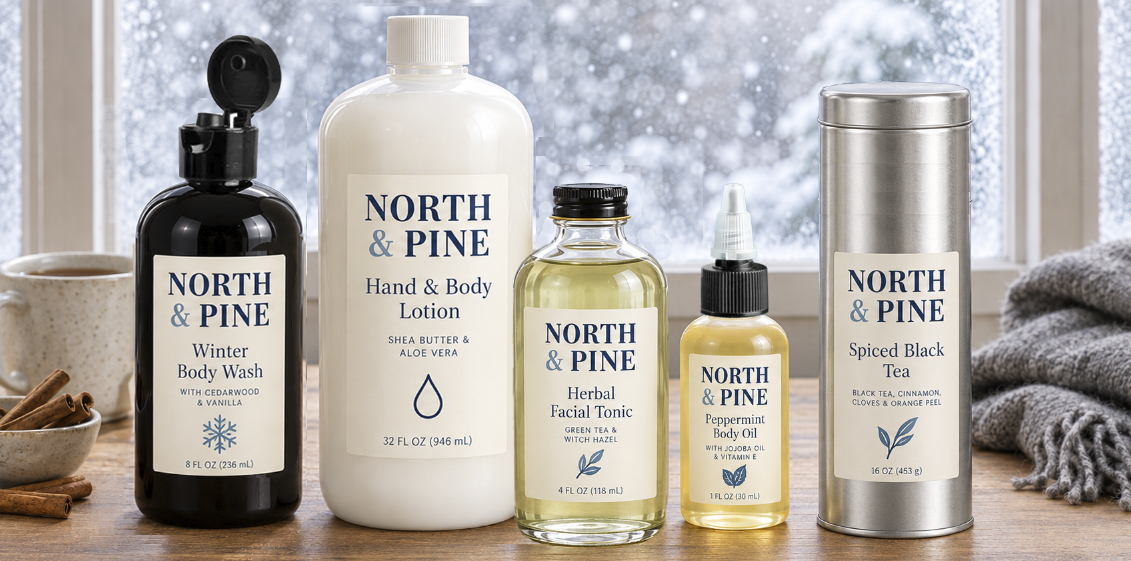
Offered here, these translucent natural 32 oz boston round bottles come with a white polypropylene lined screw cap included. It offers a secure, easy-to-use fit for regular handling. This natural plastic construction has a quality, letting some light and product visibility through. The construction is built to hold up well during regular handling and storage. Sized at 32 oz with a 28/410 finish, this option is a straightforward fit for retail or bulk packaging. This construction is built for consistent, everyday performance.


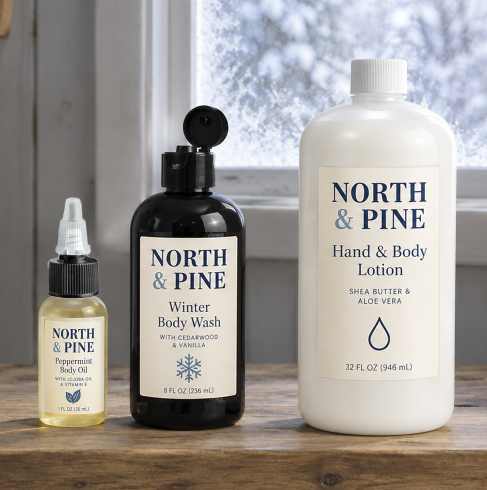
Built with an efficient design, these natural 1 oz boston round bottles pair with a polypropylene black/ natural twist top cap. The twist top closure has a natural tip and a screw-threaded finish; once applied to a compatible container, twisting the natural top portion opens it for dispensing through the top of the closure. Being LDPE, this boston round bottle squeezes easily, making it a genuine squeeze bottle rather than a rigid container. This design offers a practical, easy-to-handle shape for everyday packaging needs. At 1 oz and a 20/410 neck finish, this piece fits neatly into new or existing product lines. This combination makes for a ready-to-fill packaging option. The base of the cap is ribbed for improved grip, making it easier to open and close.


These classic black 8 oz boston round bottles pair with a black polypropylene smooth snap top cap. The hinged lid snaps open and closed, allowing quick access without fully removing the cap. PET construction keeps this boston round bottle lightweight and shatterproof, a practical alternative to glass. It could suit shampoo, conditioner, body wash, or lotion. This 8 oz size, with a 24/410 finish, works well for a range of packaging volumes. Its design is built for consistent, everyday performance.


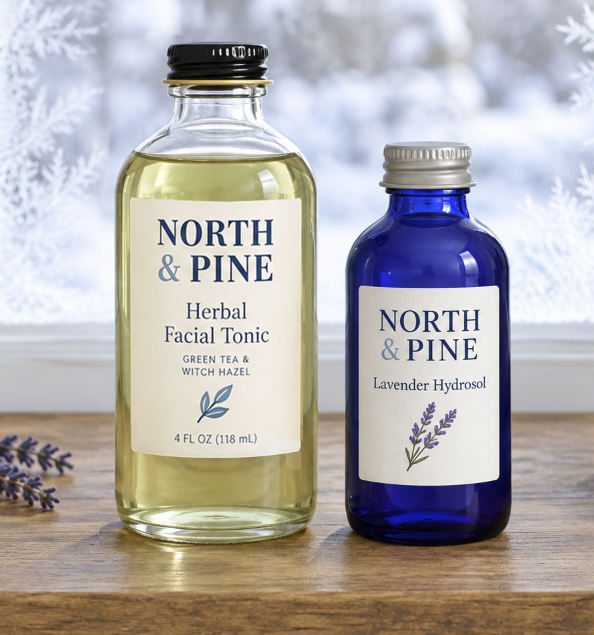
Built with a dependable design, these clear 4 oz glass boston round bottles pair with a foil lined black metal cap. This closure offers a secure, easy-to-use fit for regular handling. Clear glass gives this boston round bottle crystal clear transparency, letting the contents show through. Black foil lined metal caps. This 4 oz size, with a 22/400 finish, works well for a range of packaging volumes. Its design makes for a practical, ready-to-fill packaging option.

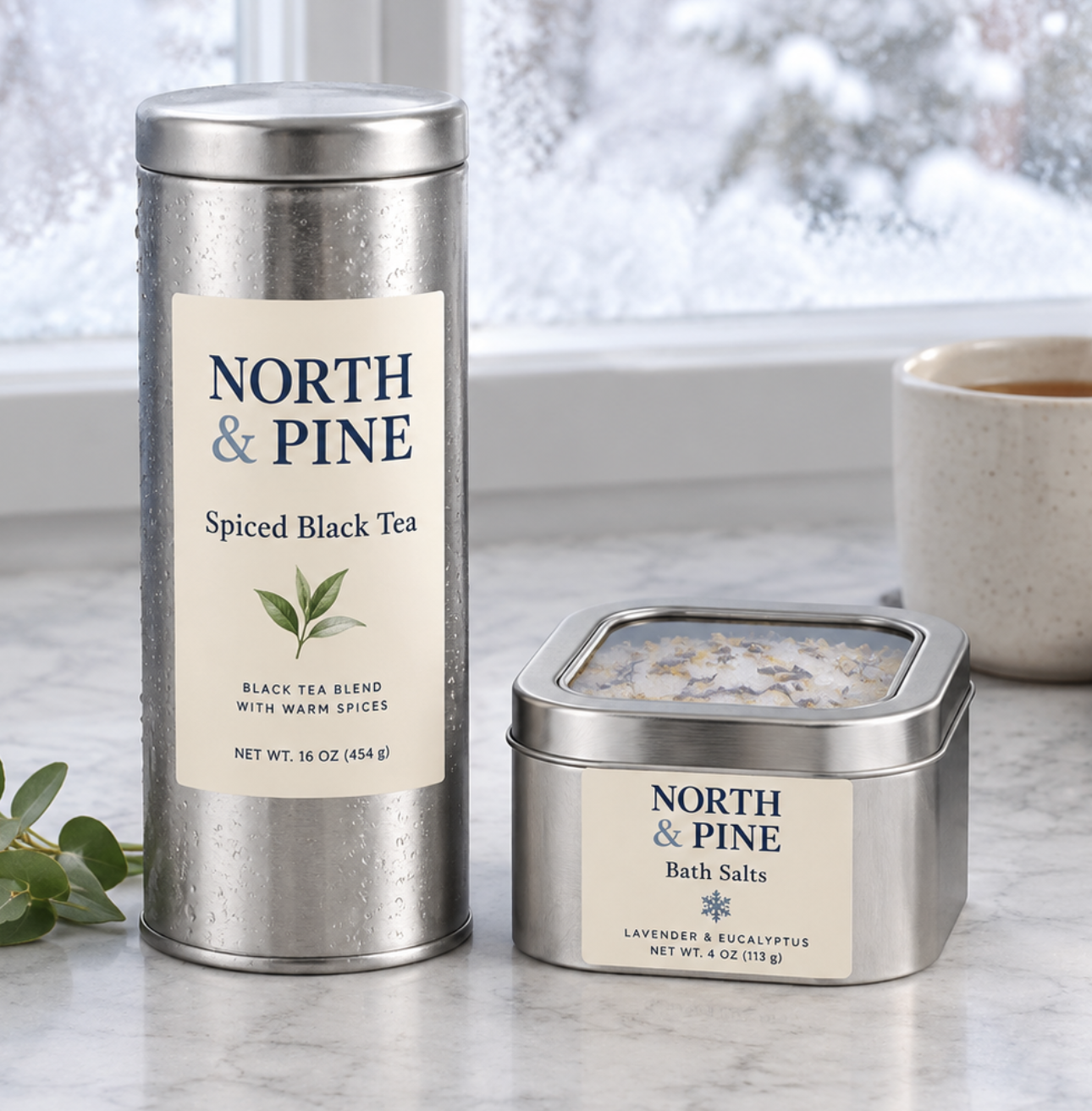
Available in silver, these 16 oz metal tea tins come with a metal interior seal lid included. Together, the tea tin and closure offer a practical, ready-to-use packaging set. The metal build offers good durability for repeated or long-term use. Metal cylinders include welded vertical and bottom seams. Sized at 16 oz, this option is a straightforward fit for retail or bulk packaging. Matching lids include interior LDPE seal. The tall, narrow cylindrical shape with a wide opening makes for easy dispensing and filling, with a broad, stable base. Specifically intended for loose-leaf tea, though it could also work well for other food products like candies, nuts, or herbs.


Why the Container and the Contents Both Matter in Winter
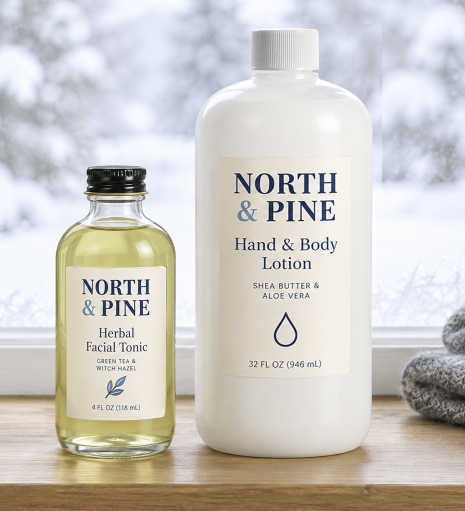
Winter puts stress on packaging from two directions at once: the material the container is made of, and whatever is inside it. Glass and many plastics tolerate cold well beyond what most winter storage will reach, but the product inside often will not. Water-based formulas can expand as they freeze, by roughly 9 percent, and a bottle with no room to give may be prone to cracking or bulging long before the container reaches its own cold limit. That is why a full 4 oz clear glass bottle and a 32 oz natural HDPE bottle of the same water-based product can both fail in the same unheated warehouse. Browse our full range of glass bottles and plastic bottles to compare plastic bottle materials for your own product line.
Glass Bottles in Winter: Glass Is Rarely the Weak Point
Ordinary soda-lime glass typically tolerates cold down to roughly -20°C to -40°C (-4°F to -40°F) before cold stress becomes critical, according to one manufacturer's guidance. A bottle sitting in a cold garage is therefore unlikely to fail because of the glass itself. The risk comes from filling: when a water-based liquid freezes, it expands against the walls and shoulders of the bottle, and a bottle filled to the brim has nowhere for that pressure to go. Leaving a little headspace below the neck of a clear glass bottle or a cobalt blue glass bottle gives expanding contents room, and sudden temperature swings, like carrying a cold bottle straight into a warm room, add stress of their own. Find out why glass bottles can crack when liquids freeze and what to do about it, or browse our glass bottles.
Plastic Bottles in the Cold: How LDPE, HDPE, PET, and PP Compare
Plastic bottles differ widely in how they handle cold. As typical resin-level figures, LDPE and HDPE stay flexible and impact resistant down to roughly -50°C to -60°C (-58°F to -76°F), which is why HDPE bottles and LDPE squeeze bottles are often chosen for cold storage. PET is typically good to about -40°C (-40°F), below which it loses impact resistance and can become brittle, so PET bottles suit most winter use. Standard polypropylene is the exception: it can become brittle near freezing unless it is an impact copolymer made for low temperatures. These figures vary with grade, additives, and wall thickness, so treat them as a starting point, not a guarantee. Compare HDPE, LDPE, PET, and PP plastic bottles for cold weather in more detail, or shop our plastic bottles.
Plastic Jars and Closures: Where Polypropylene Needs Extra Care
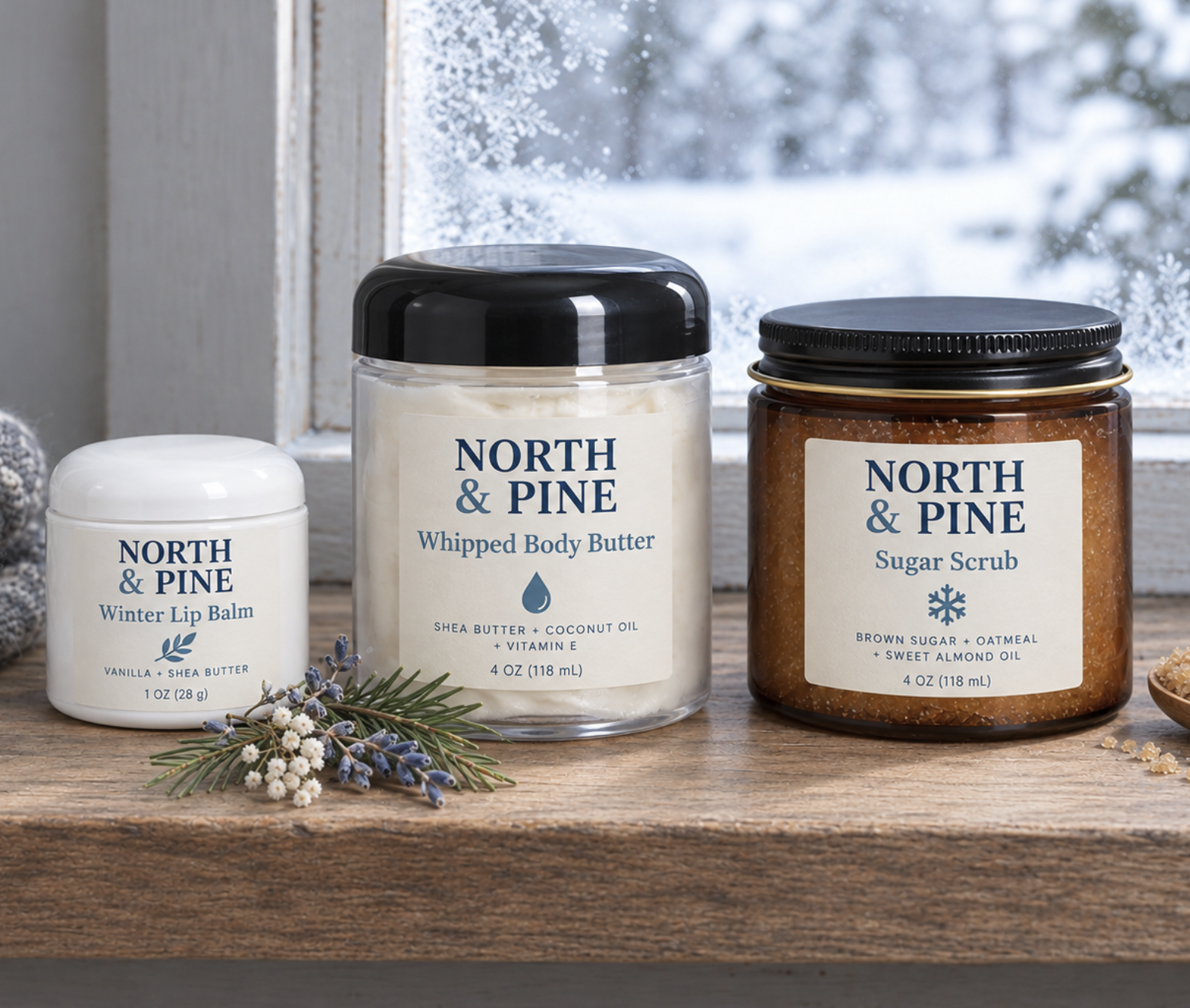
Many plastic jars and caps are molded from polypropylene, and standard polypropylene can become brittle near or below freezing. That makes handling matter more than the jar's cold limit: a PP jar or dome cap that is fine on a warm shelf can chip or crack if it is dropped or squeezed while cold. Double wall polypropylene jars, and PET heavy wall jars respond differently, so test the exact jar and cap combination you plan to ship. After any cold exposure, check that each cap still threads on cleanly and seals; our guide to testing a cap for a proper seal before shipping walks through how. Browse our full range of plastic jars.
Metal Tins in Winter: When the Contents Matter More Than the Metal
Metal tins have their own winter quirks. If a tin holds a water-based product, freezing causes the contents to expand, which can snap seams, bulge the metal, or even rupture the tin. Dry goods, balms, and salves are usually less of a concern than anything with water in it, though it depends on the formula. Condensation is another thing to watch: a cold tin brought into a warm room can collect moisture on the outside. Whether you are packing tea in a 16 oz silver metal tea tin or a balm in a square metal tin with a clear view top, check lids and seams after cold storage. See what freezing temperatures do to metal tins and the products inside them, or browse our metal tins.
Winter Shipping and Storage: Test Before the Cold Arrives
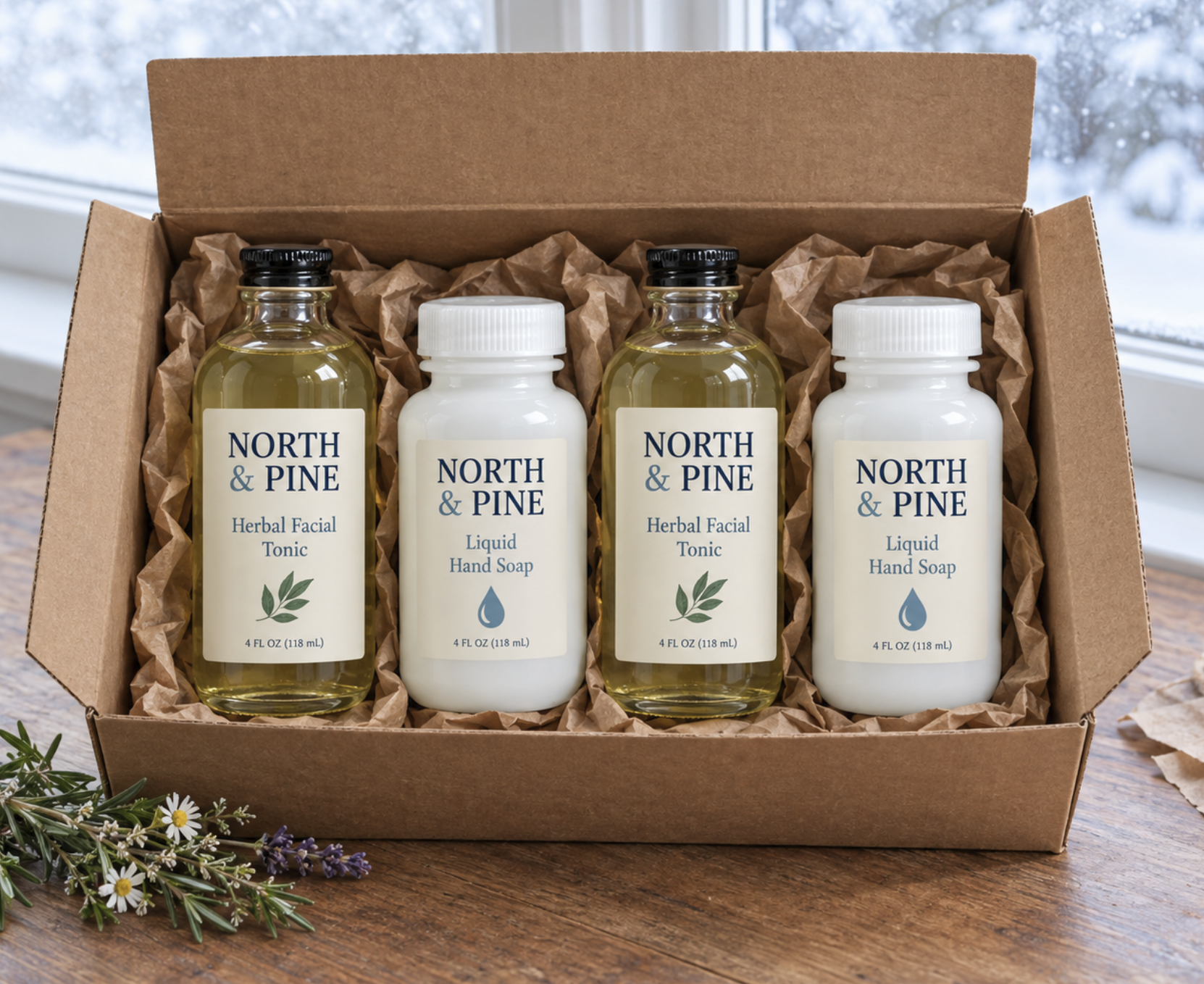
The simplest winter safeguard is a test run. Order a free sample and fill a few sample containers with your actual product, leave them in the coldest place they might realistically sit, such as an unheated warehouse or a delivery truck overnight, then inspect them for cracks, leaks, or separation and check that the caps still seal. Containers like a 125 ml natural HDPE leak proof wide mouth bottle are easy to run through this kind of test in small quantities, and a few sample containers cost far less than a damaged winter shipment. Browse our plastic bottles and plastic jars to find options to test.
Packaging Tip
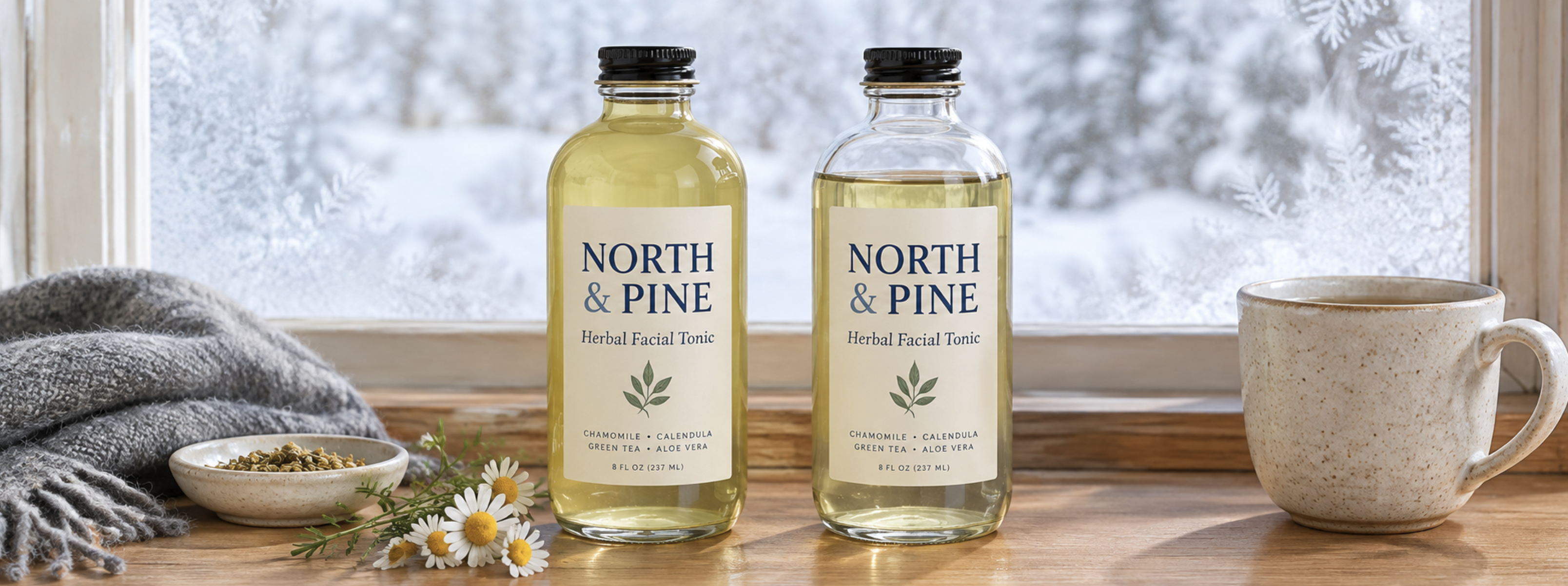
Water-based products expand as they freeze, so a bottle filled to the brim has nowhere to put that extra volume. Leaving air space below the neck of a 4 oz clear glass bottle or a 32 oz natural HDPE bottle gives freezing contents room to expand instead of pushing against the shoulders and seams. How much headspace is right depends on the bottle, the product, and how cold it will get, so confirm it with a freeze test of your own before a full production run.
Product of the Month
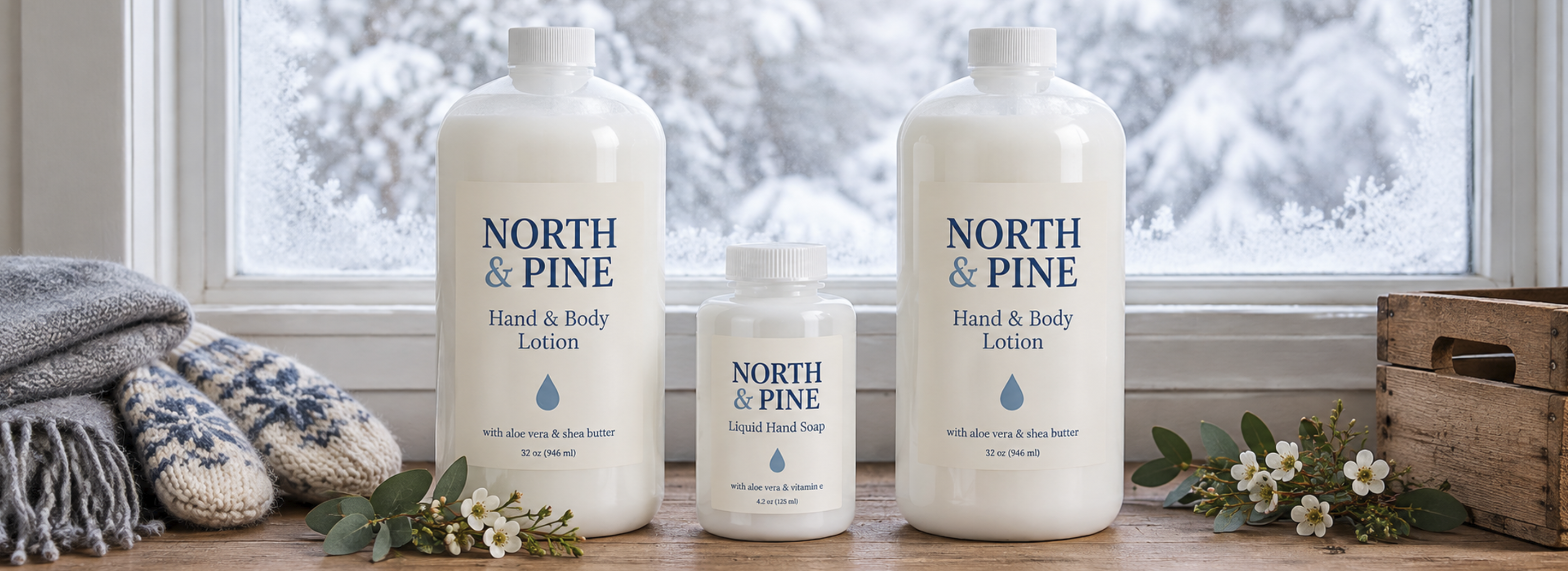
This month we are spotlighting the natural HDPE Boston round bottle, available in white and natural colors. These durable plastic bottles could be a strong fit for products that will sit in unheated spaces. HDPE typically stays flexible and impact resistant down to roughly -50°C to -60°C (-58°F to -76°F), though exact limits vary by grade. Our 32 oz natural HDPE Boston round bottles with white lined screw caps are a good place to start for high volume products, or choose from a full range of sizes small to large capacity. You can read more about HDPE plastic properties and benefits on our material info page.