




 Shop All Packaging
 Glass Containers
 Plastic Containers
 Metal Containers
 Cardboard Containers
 Bulk Containers
 Industrial Containers
 Caps / Closures
 Shrink Bands
 Design Custom Labels
 Subscribe & Save Orders
 Shop By Industry
 Custom Packaging
 Pallet Qty Packaging
 SKS Direct Wholesale
 Packaging Equipment
 Help/Info
 New Products
 Promotions
 Newsletters
 Product Specials
 Combo Kit Deals
 Product Closeouts
 Recently Back In Stock









How to Test a Cap for a Proper Seal Before Shipping
Catching a Bad Seal Before It Becomes a Leaking Package
A cap that looks properly closed can still leak in transit if the seal isn't actually sound, and there's no way to know for certain just by looking at it. This guide covers how to test a cap for a proper seal before a shipment goes out, using a few simple checks that catch problems before they become a customer complaint. Browse our full range of closures if you need a replacement cap or liner.
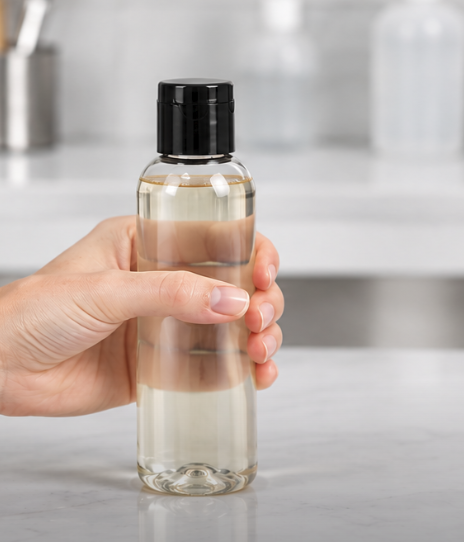
- Confirm the cap has the correct liner for your product - Different liners are designed for different formulas - an oil-based product needs a different liner material than a water-based one to seal reliably without degrading. Confirm your cap's liner is actually rated for your specific formula before testing anything else, since the wrong liner will fail regardless of how tightly the cap is applied.
- Apply the cap to the correct, consistent torque - A cap applied too loosely won't seal, but one applied too tightly can crack the container or damage the liner. If you're capping by hand, aim for a firm, consistent turn until the cap stops turning easily - avoid the instinct to keep cranking it further "to be safe."
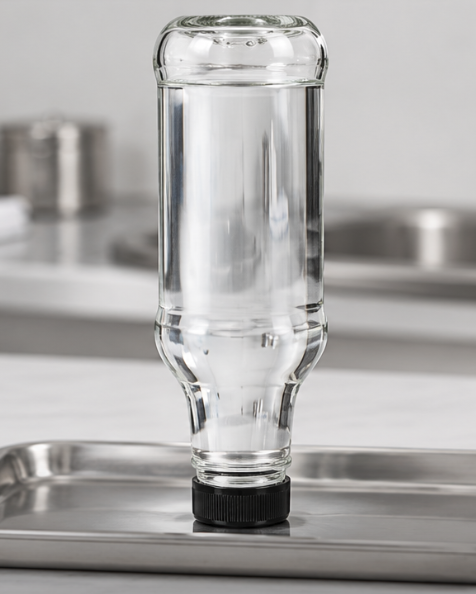
- Do a simple inversion test - Turn a filled, capped container upside down and hold it over a sink or tray for 15 to 30 seconds. Any seepage around the cap's edge or through the liner shows up quickly this way, well before it would become obvious in a sealed shipping box.
- Check for a strong seal by testing resistance to a gentle squeeze - For a squeezable plastic bottle specifically, gently squeeze the body while it's upright and capped - a good seal will resist without leaking or hissing air out around the cap, while a weak seal often reveals itself immediately under light pressure.
- Simulate a real shipping scenario with a test shipment - Testing at your workbench only catches so much - ship a handful of finished, sealed units through your actual carrier and packaging method, then inspect them on arrival for any seepage, pressure changes, or loosened caps that a static test wouldn't reveal.
- Spot-check a sample from each production batch, not just the first unit - A capping machine or process can drift over a production run, so testing only the very first unit off the line doesn't guarantee the rest of the batch sealed the same way. Pull a few random samples throughout a run for the same inversion and squeeze tests.
Related Containers & Closures You May Like
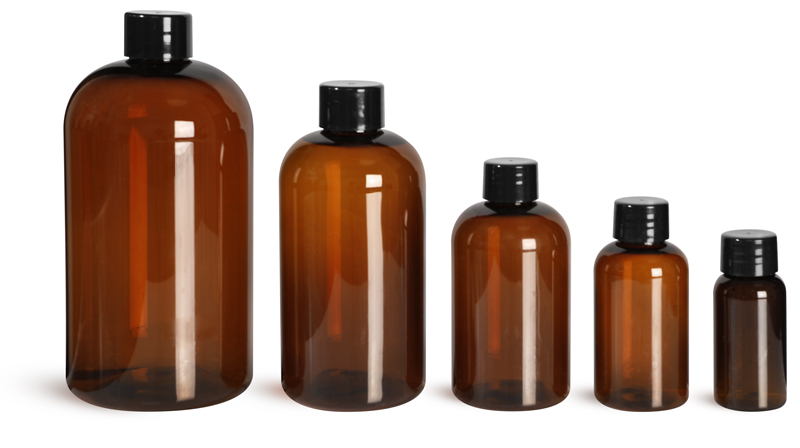 Plastic Bottles, Amber PET Boston Round Bottles w/ Smooth Black Plastic Lined Caps
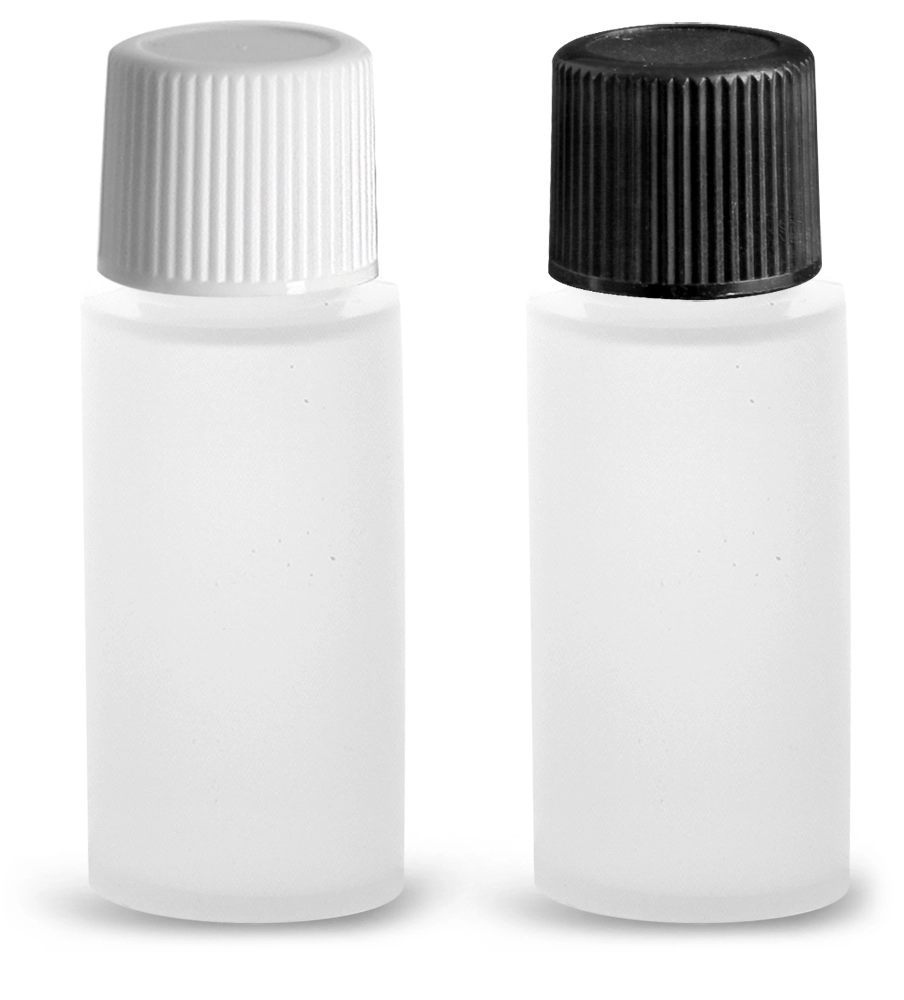 LDPE Plastic Bottles, Natural Cylinder Bottles w/ Screw Caps
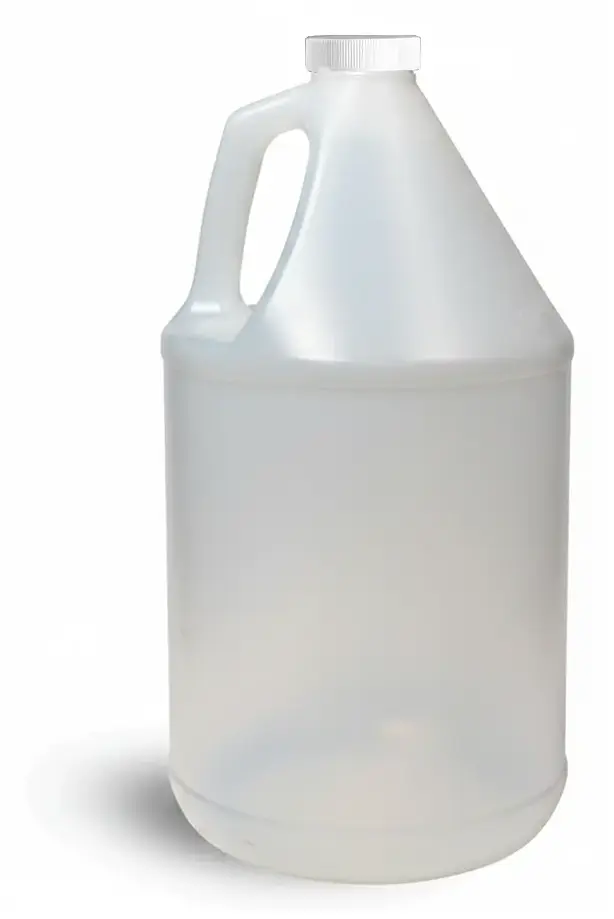 HDPE Plastic Jugs, Natural Jugs w/ White Ribbed PE Lined Caps
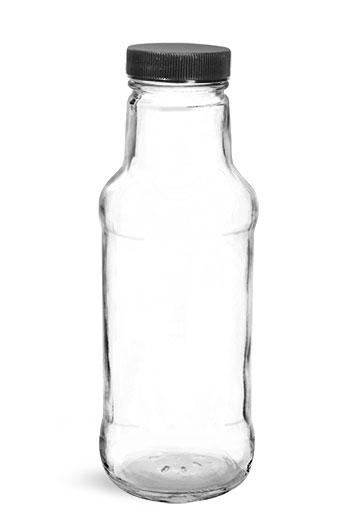 Glass Bottles, Clear Glass Beverage Bottles w/ Black Ribbed PE Lined Caps
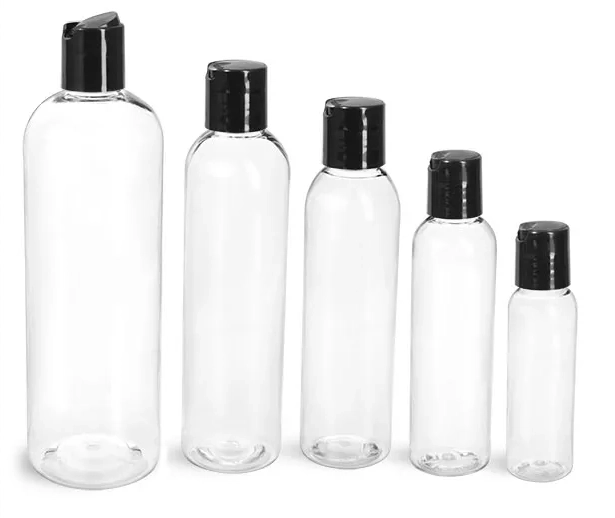 PET Plastic Bottles, Clear Cosmo Round Bottles w/ Smooth Black Disc Top Caps
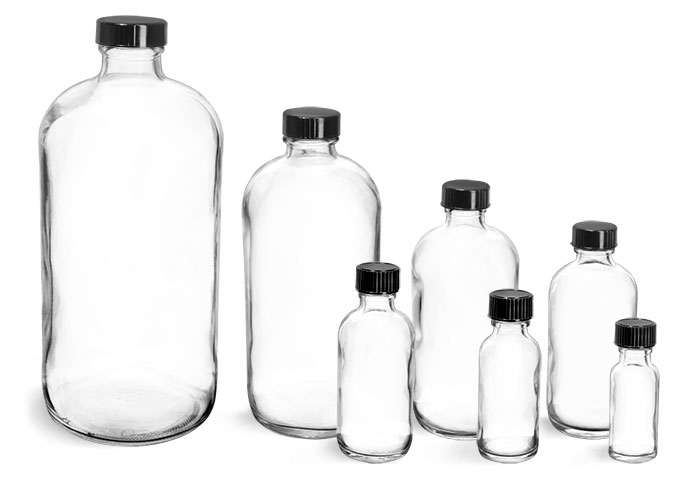 Glass Bottles, Clear Glass Boston Round Bottles w/ Black Phenolic Cone Lined Caps
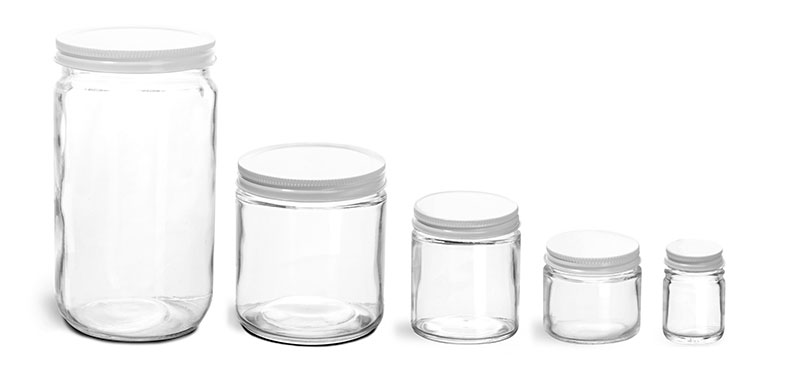 Clear Glass Jars, Clear Straight Sided Glass Jars w/ White Metal Plastisol Lined Caps
 Clear Glass Jars, Clear Straight Sided Glass Jars w/ Black Metal Plastisol Lined Lug Caps
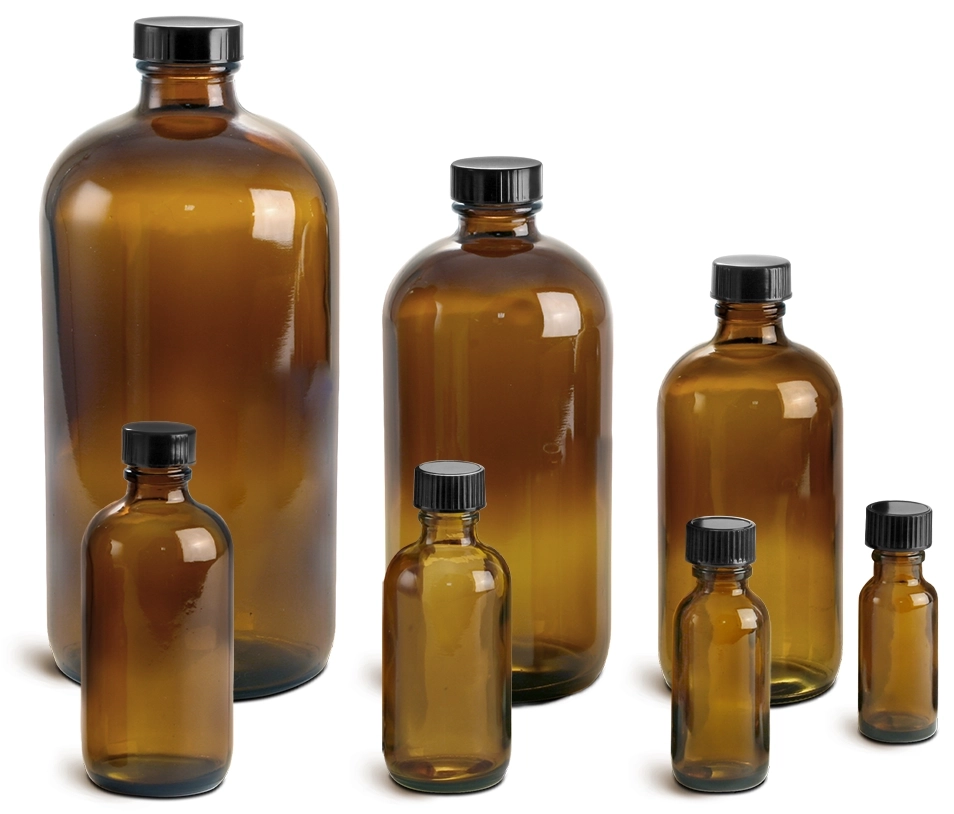 Amber Glass Bottles, Boston Round Bottles w/ Black Cone Lined Caps
How to Test a Cap for a Proper Seal Before Shipping FAQ
Testing a cap for a proper seal before shipping - through an inversion test, a squeeze check, and a real shipping trial - catches problems a visual inspection alone will miss.
What Is the Inversion Test for Checking a Cap Seal?
Turning a filled, capped container upside down and holding it for 15 to 30 seconds - any seepage around the cap shows up quickly, before it would be obvious in a sealed shipping box.
Can a Cap Be Applied Too Tightly?
Yes - over-tightening can crack the container or damage the liner, so aim for a firm, consistent turn until the cap stops turning easily rather than continuing to tighten further.
Does the Liner Matter as Much as How Tight the Cap Is?
Yes, arguably more - the wrong liner material for your specific formula will fail regardless of how tightly the cap is applied, so confirming liner compatibility comes first.
Should I Test Every Unit in a Production Run?
Testing every unit usually isn't practical, but pulling random samples throughout a run - not just the first unit - catches drift in a capping process that a single early test would miss.
Is a Static Test at My Workbench Enough to Confirm a Seal?
Not entirely - shipping a handful of sealed units through your actual carrier and inspecting them on arrival reveals issues that pressure and temperature changes in transit can cause, which a static test won't show.
Related Packaging Information
- How to Measure a Bottle's Neck Finish
- How to Calculate the Right Fill Volume and Headspace for Your Container
- Cap Liner Types and Functions
- Cap and Neck Finishes
- How Does SKS Package Glass Bottle Kits for Shipping?
Why Businesses Choose SKS Bottle & Packaging
SKS Bottle & Packaging makes it easy to order bottles, jars, and packaging supplies online. From fast shipping to flexible savings programs, our goal is to help businesses of all sizes source reliable packaging with a smooth and efficient ordering experience.
Chat with Us