



 Shop All Packaging
 Glass Containers
 Plastic Containers
 Metal Containers
 Cardboard Containers
 Bulk Containers
 Industrial Containers
 Caps / Closures
 Shrink Bands
 Design Custom Labels
 Subscribe & Save Orders
 Shop By Industry
 Custom Packaging
 Pallet Qty Packaging
 SKS Direct Wholesale
 Packaging Equipment
 Help/Info
 New Products
 Promotions
 Newsletters
 Product Specials
 Combo Kit Deals
 Product Closeouts
 Recently Back In Stock









Do You Need Both a Shrink Band and an Induction Seal?
Two Tamper-Evidence Methods That Solve Different Problems
If you've looked at both shrink bands and induction seals for tamper evidence, it's a fair question whether you actually need both or whether one covers you. This page covers whether you need both a shrink band and an induction seal, and what each one is actually protecting against. Shop our full range of shrink bands and induction-lined caps to compare options.
They Protect Different Points on the Container
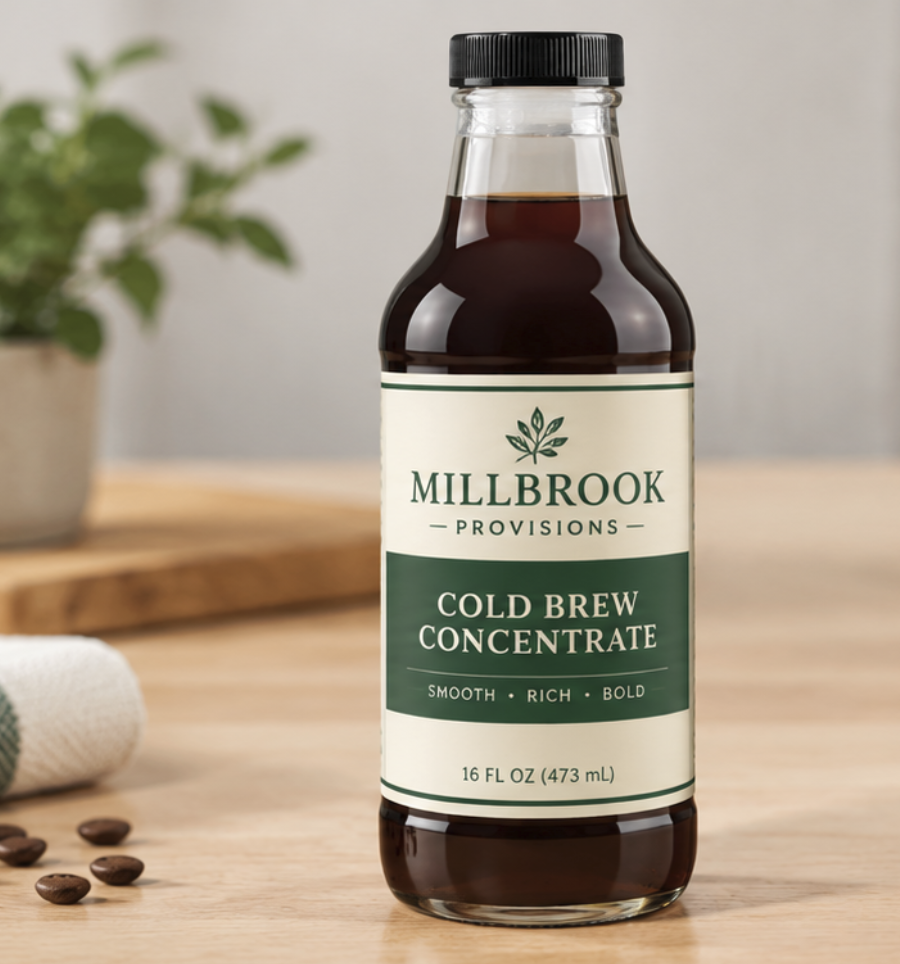
A shrink band wraps around the outside of the cap and neck junction, visibly showing if the cap has ever been turned or removed. An induction seal sits inside the cap, bonded directly to the container's rim, and shows tampering by revealing a broken foil seal once the cap is removed. They're catching the same underlying event - the container being opened - but from two different physical points.
When One Is Genuinely Enough
For many products, a single tamper-evidence method is sufficient to meet both regulatory expectations and customer trust signals. An induction seal alone provides a strong first-open guarantee for something like a food or supplement jar, while a shrink band alone works well for products where the cap and neck seam is the more visually obvious tamper point, such as many beverage and liquor bottles.
When Layering Both Makes Sense
Products facing stricter regulatory scrutiny - certain pharmaceuticals, cannabis products in states with detailed packaging requirements, or premium products where visible tamper-evidence is itself a trust signal to the customer - sometimes use both an induction seal and a shrink band together. This isn't usually a case of one being unreliable on its own, but rather using two independent, visually distinct signals to reinforce the same tamper-evidence claim, which can matter for both compliance and customer confidence in a higher-stakes category.
How to Decide for Your Product
Start with what your product category actually requires or expects, then consider your own cost and production tolerance: adding a shrink band means an additional application step (see our guide on applying shrink bands for one common method), while an induction seal requires induction sealing equipment at the point of filling. If your category doesn't demand both and your budget or production line favors one method, a single well-chosen tamper-evidence feature is usually sufficient rather than a compliance gap.Related Containers & Closures You May Like
 Clear PVC Shrink Bands, 60 mm - 165 mm HeightClear PVC Shrink Bands, 25 mm - 58 mm Height
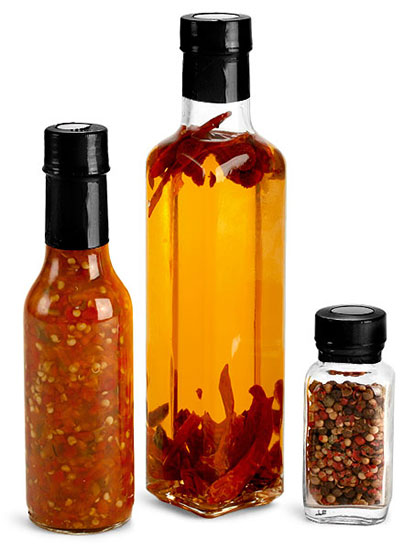 Colored Shrink Bands, Shiny Black PVC Shrink Bands
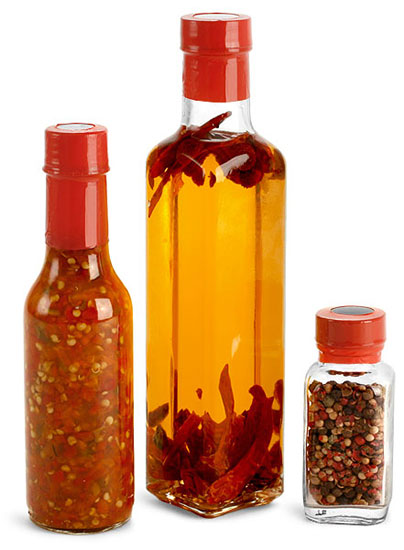 Colored Shrink Bands, Red PVC Shrink Bands
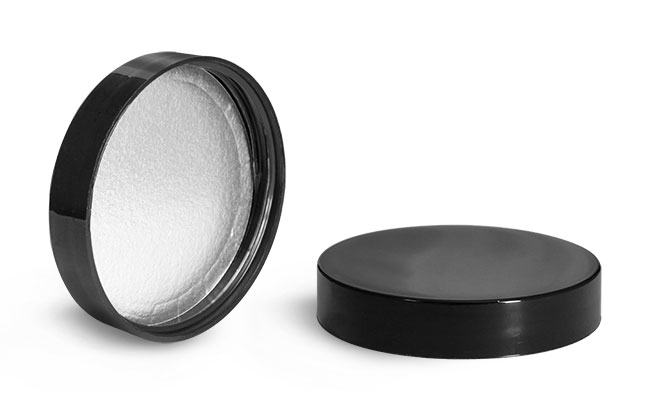 Plastic Caps, Black Polypropylene Smooth Induction Lined Caps
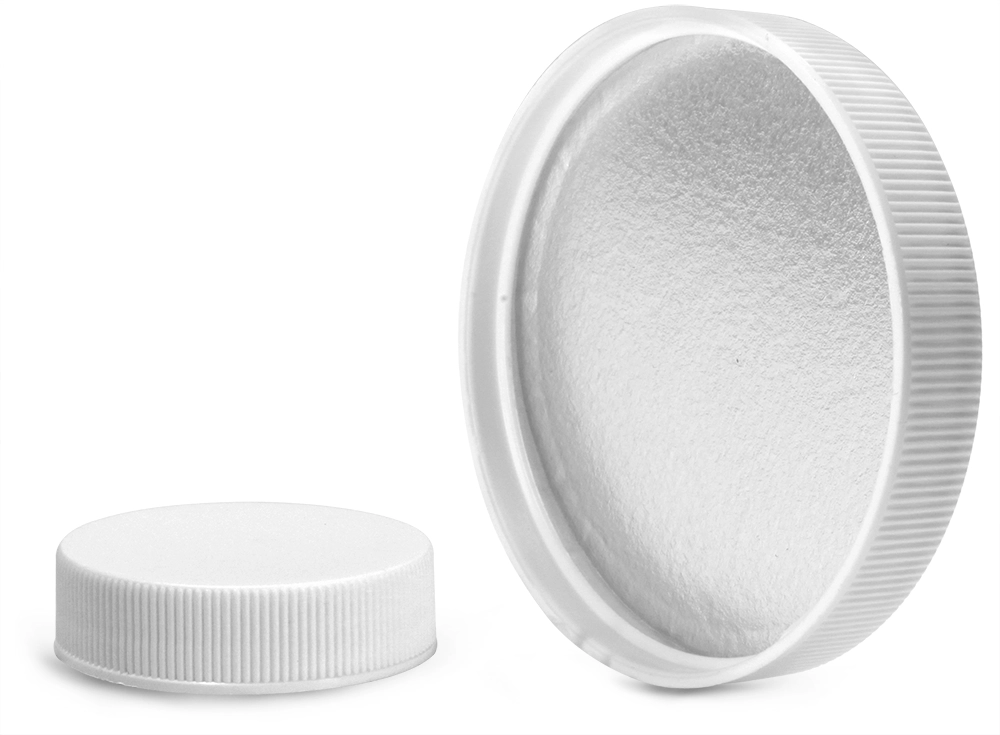 Plastic Caps, White Polypropylene Ribbed Caps w/ Foam Induction Liners
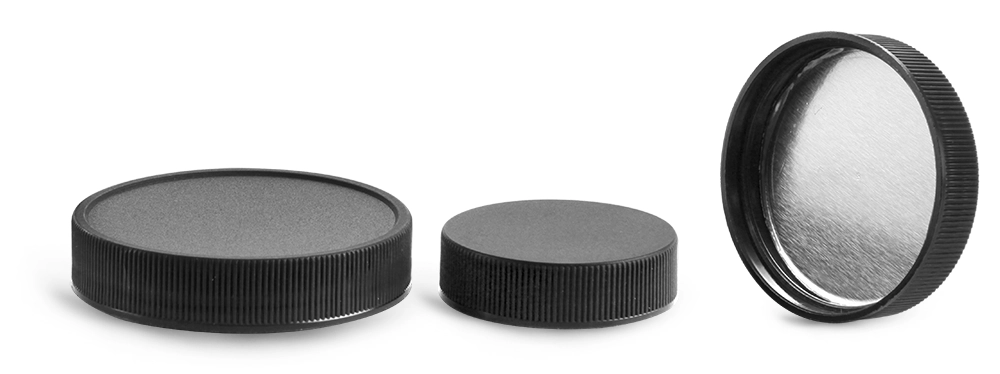 Plastic Caps, Black Polypropylene Ribbed Caps w/ Foam Induction Liners
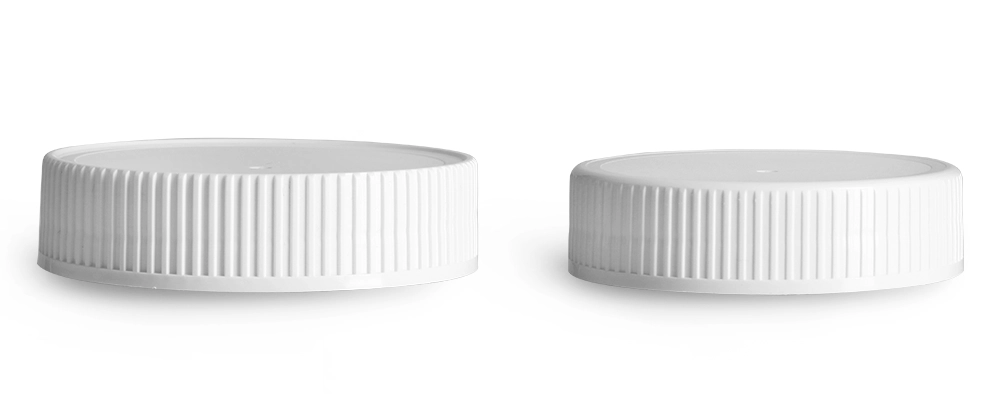 Plastic Caps, White Polypropylene Ribbed Caps w/ Induction Liners
 Plastic Caps, Brown Polypropylene Ribbed Caps w/ Induction Liners
A shrink band and induction seal protect different points on a container, and most products only need one - reserve using both for higher-scrutiny categories or products where extra visible tamper-evidence is itself a selling point.
Shop shrink bands and induction-lined caps to build the right tamper-evidence combination for your product.
Related Packaging Information
- Tamper Evident Containers
- Top 5 Reasons to Use Tamper Evident Containers & Closures
- Shrink Bands
- Product Spotlight - Shrink Bands
- How to Apply a Shrink Band Without a Heat Gun
Why Businesses Choose SKS Bottle & Packaging
SKS Bottle & Packaging makes it easy to order bottles, jars, and packaging supplies online. From fast shipping to flexible savings programs, our goal is to help businesses of all sizes source reliable packaging with a smooth and efficient ordering experience.
Chat with Us