




 Shop All Packaging
 Glass Containers
 Plastic Containers
 Metal Containers
 Cardboard Containers
 Bulk Containers
 Industrial Containers
 Caps / Closures
 Shrink Bands
 Design Custom Labels
 Subscribe & Save Orders
 Shop By Industry
 Custom Packaging
 Pallet Qty Packaging
 SKS Direct Wholesale
 Packaging Equipment
 Help/Info
 New Products
 Promotions
 Newsletters
 Product Specials
 Combo Kit Deals
 Product Closeouts
 Recently Back In Stock









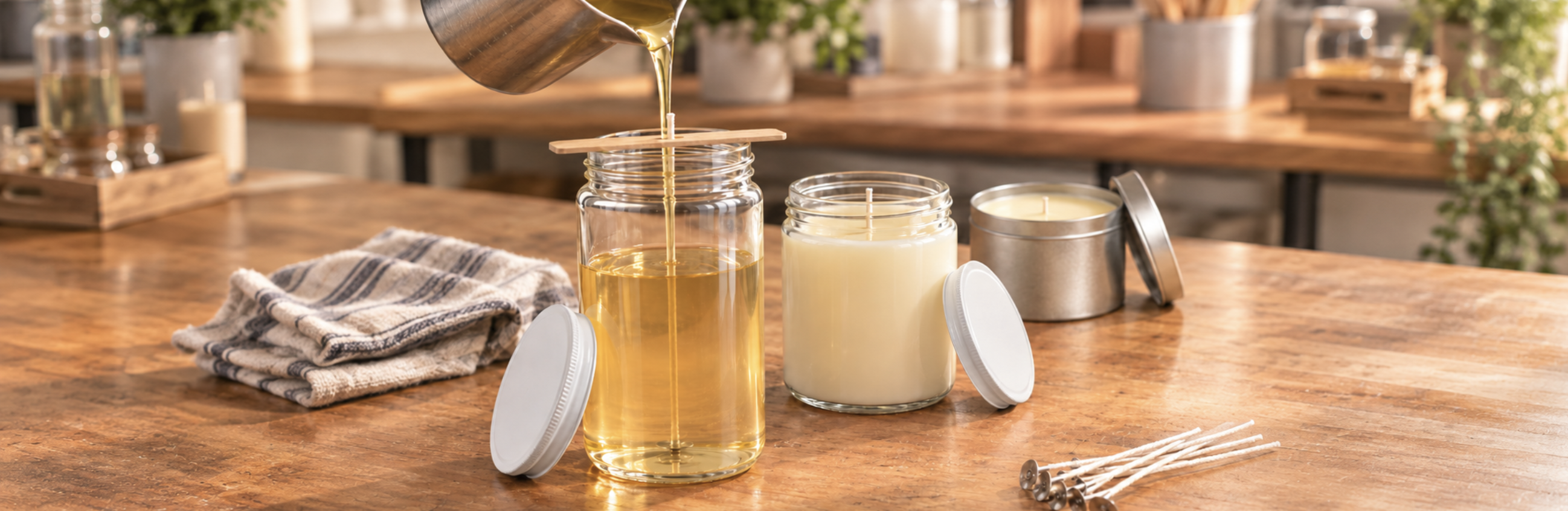
Buyer's Guide: Candle Making Containers & Supplies
Choosing a Vessel That Burns Well and Sells Well
The container you choose for a poured candle affects far more than shelf appearance - it shapes how evenly the candle burns, how strong the scent throw is, and whether a customer trusts the finished product enough to buy it again. This guide walks through the real decisions behind sourcing candle making containers & supplies, from material and heat tolerance to closure, sizing, and the safety labeling every candle needs before it can legally be sold. Browse our full candle containers industry page for the complete range.
Why the Vessel Affects the Burn, Not Just the Look
Candle makers new to the craft often treat vessel choice as a purely visual decision, but the container genuinely affects burn performance. A wider vessel creates a larger wax pool, which can improve scent throw but also increases the risk of tunneling if the wick isn't sized correctly for that diameter. A taller, narrower vessel burns more slowly and evenly but traps heat differently, meaning a wick and wax combination that performs perfectly in one shape may underperform in another. This is why experienced candle makers test their wax and wick in the exact vessel they plan to sell before a full production run.Material: Glass Candle Jars vs. Metal Tins
Glass jars are the industry standard because they safely tolerate the heat of a hot wax pour, remain completely inert against fragrance oils, and let colored wax become part of the visual appeal in a clear vessel, while amber or frosted glass gives a more finished, opaque look. Metal tins offer real practical advantages for certain product lines: they're lightweight, shatterproof, and often more cost-effective for large runs, making them popular for travel candles, gift sets, and outdoor-oriented products where breakage risk during shipping is a genuine concern.- Glass: heat-resistant, inert, ideal for showcasing wax color with a high-end look
- Metal: lightweight, shatterproof, cost-effective at scale
- Both materials are widely recyclable, a real point for eco-conscious brand positioning
Candle Jar Closures and Lids Between Burns
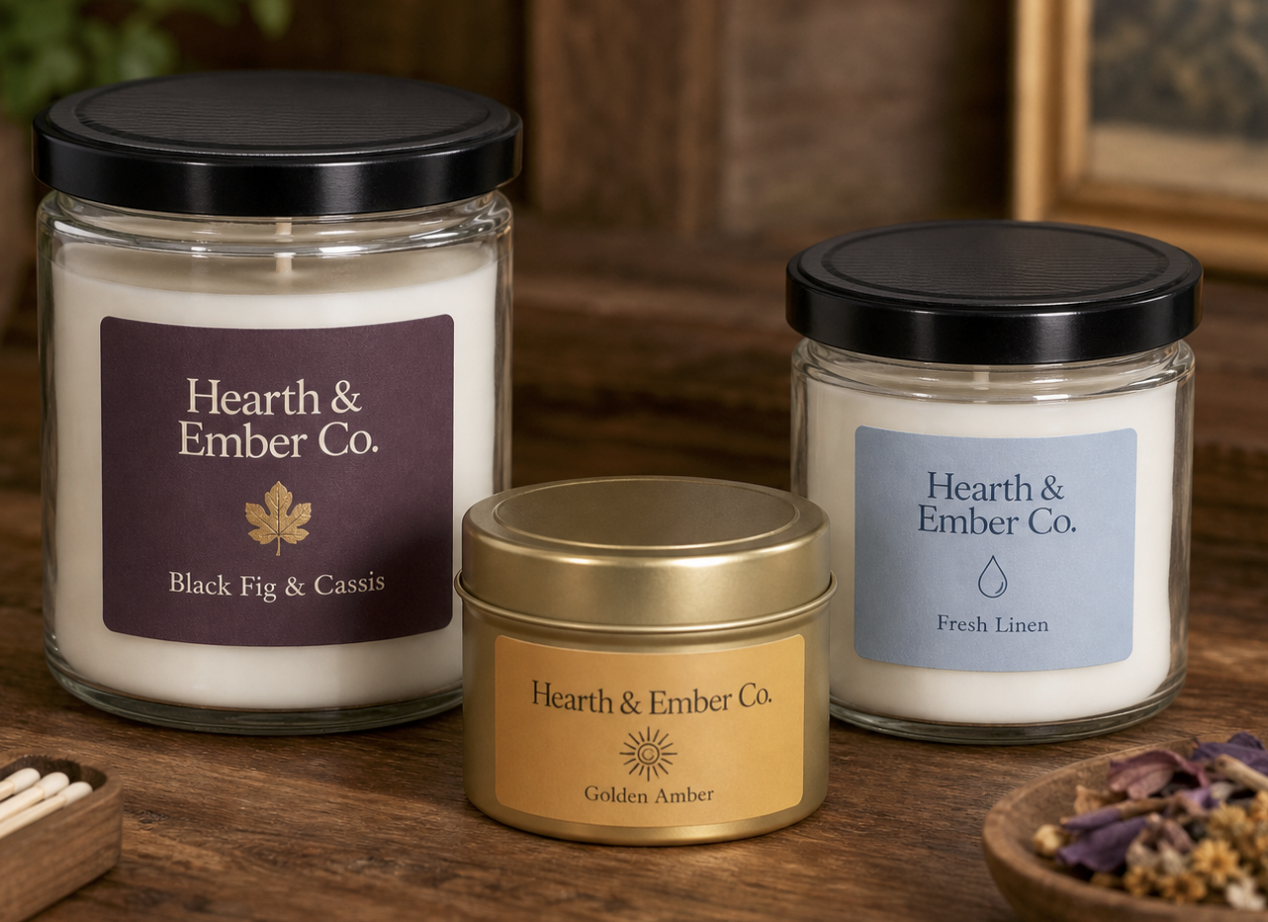
Many candle containers come with a matching lid for storage between burns or for retail presentation before first use. Metal candle tins commonly ship with slip-on lids that fit securely into place, keeping dust and debris off the surface and helping contain scent until a customer opens it. Glass candle jars are often paired with metal or plastic lids, letting brands choose a material that complements their packaging aesthetic.The Warning Label You Can't Skip
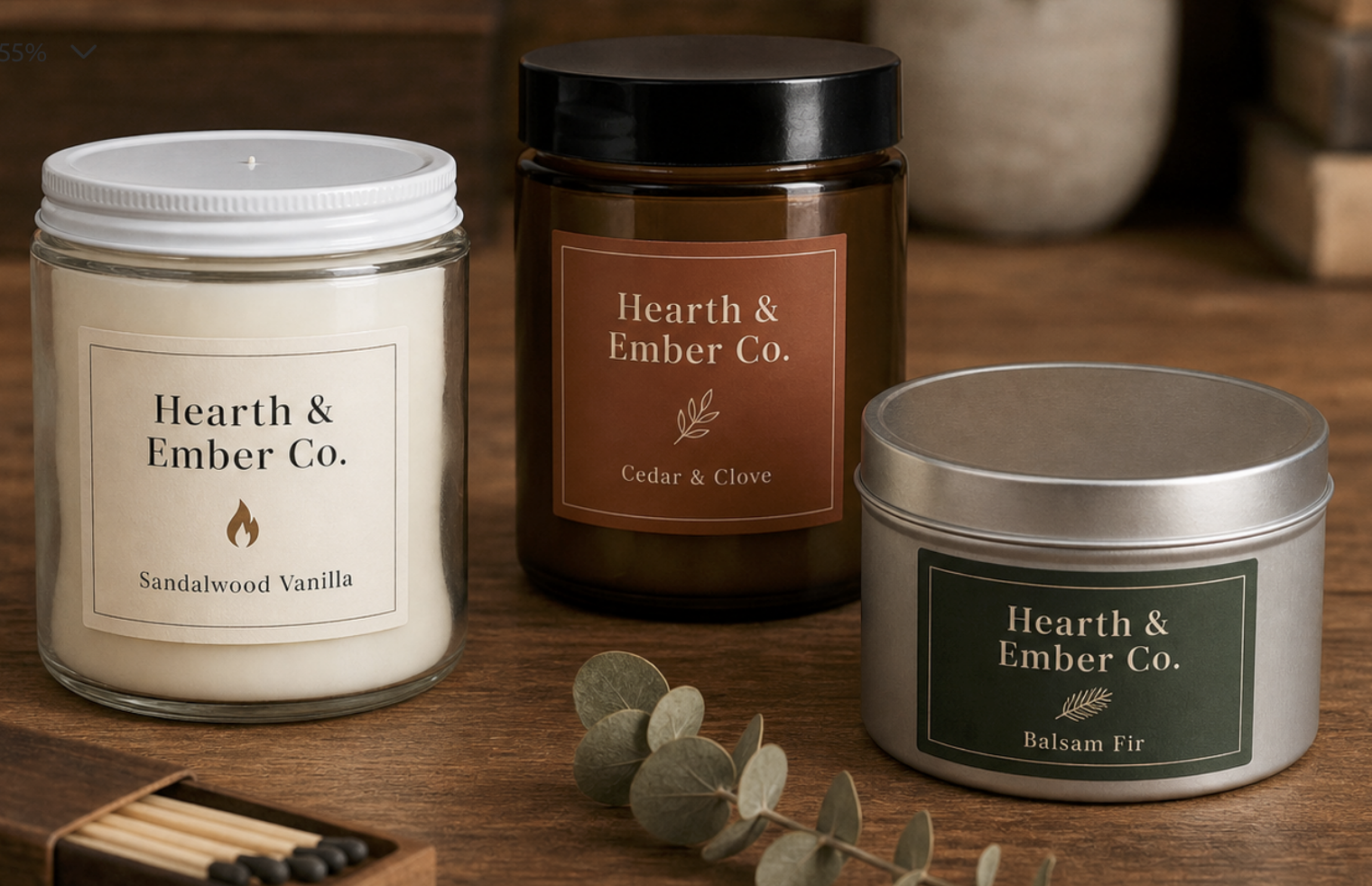
Every candle sold commercially needs a fire-safety warning label - keep away from children and pets, never leave burning unattended, trim the wick, and similar cautionary language - and this isn't optional branding, it's a genuine safety and liability consideration. Plan label space on your vessel with this requirement in mind from the start, since a jar shape with very little flat surface can make fitting both your brand design and the required safety text a real challenge late in the design process. Consider placing custom label with your branding and product specifications on the candle jar wall, or a round label on the flat surface of the lid.Sizing Candle Containers for Burn Time and Price Point
Candle containers span a wide range of sizes, and the right choice depends on your target burn time and price point as much as aesthetics. An 8 oz jar is a common starting size that balances an accessible price point with a burn time customers expect from a standard candle. Straight-sided jars give labels a clean, flat surface to wrap around, worth considering if your branding relies on detailed artwork or a dense ingredient and warning panel. Review our full range of glass jars by size to match a vessel to your intended wax volume.Candle Making Containers & Supplies You May Like
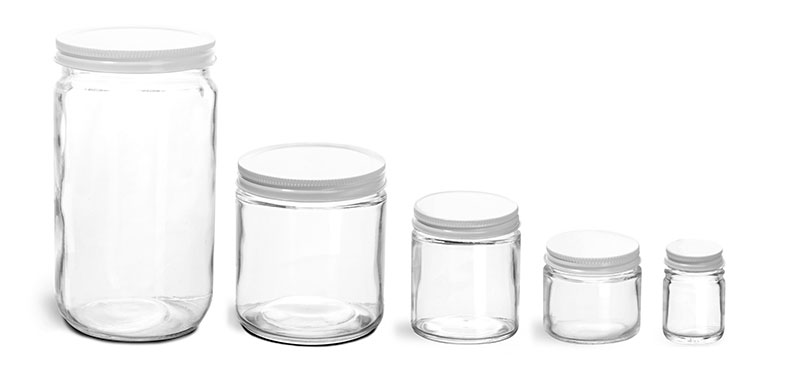 Clear Glass Jars, Clear Straight Sided Glass Jars w/ White Metal Plastisol Lined Caps
 Clear Glass Jars, Clear Straight Sided Glass Jars w/ Black Metal Plastisol Lined Lug Caps
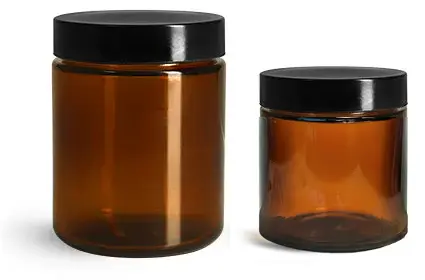 Amber Glass Straight Sided Jars w/ Black Phenolic PV Lined Caps
 Amber Glass Straight Sided Jars w/ Black Smooth PE Lined Caps
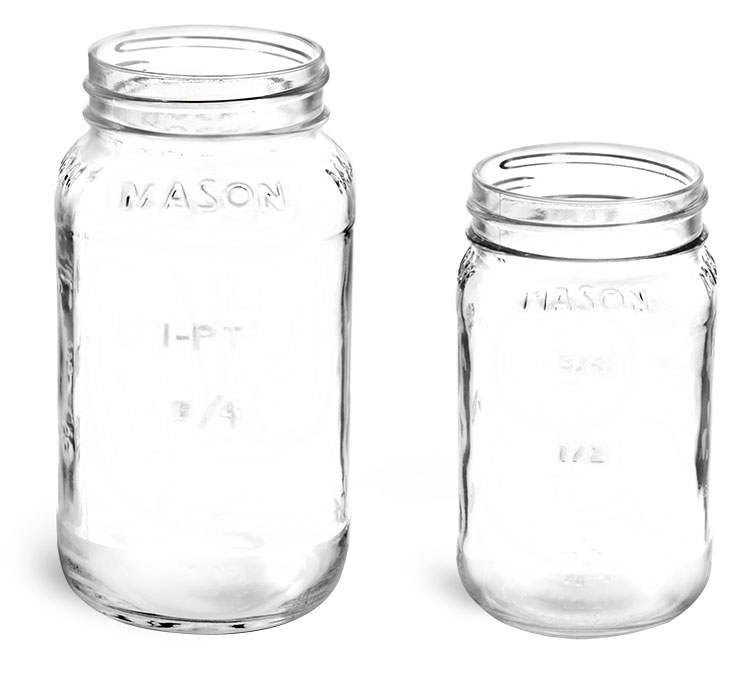 Glass Jars, Clear Glass Mason Jars (Bulk), Caps NOT Included
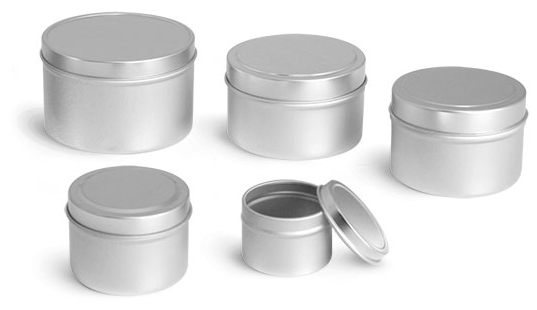 Metal Containers, Deep Metal Tins w/ Rolled Edge Covers
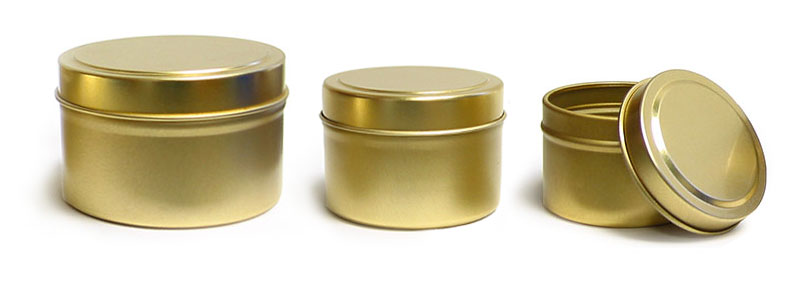 Metal Containers, Gold Metal Tins w/ Rolled Edge Covers
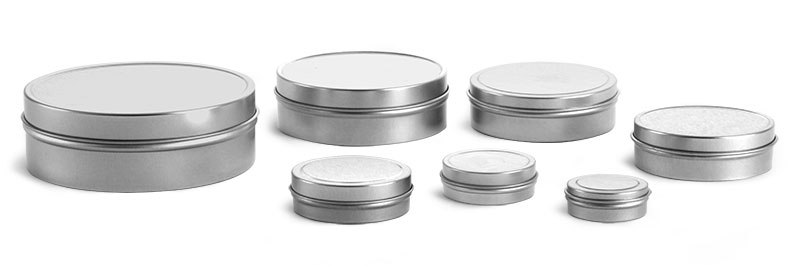 Metal Containers, Flat Metal Tins w/ Rolled Edge Covers
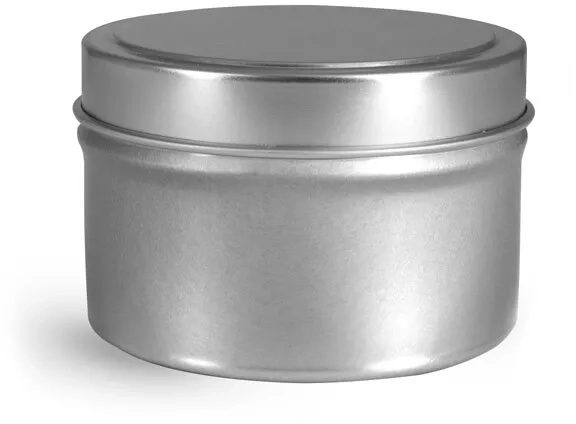 Metal Containers, Footed Candle Tins w/ Rolled Edge Covers
Candle Making Containers FAQ
The right candle vessel supports both a clean burn and a trustworthy finished product. Test your wax and wick in your actual container before scaling production, and plan for required safety labeling from the start rather than squeezing it in at the end.
Is Glass or Metal Better for Candle Making?
Both work well for different goals - glass offers heat resistance and a premium, transparent look, while metal tins are lightweight, shatterproof, and often more cost-effective for large production runs.
Do I Need to Test My Wick in the Actual Container I'm Using?
Yes - wick performance depends on the vessel's diameter, material, and heat retention, so testing in your actual container before a full production run helps avoid tunneling or uneven burning.
Is a Warning Label Legally Required on Candles?
Yes, commercially sold candles need fire-safety warning language covering supervision, trim-wick reminders, and keeping away from children and pets - this is a real safety and liability requirement, not optional branding.
What Size Candle Jar Should I Start With?
Many new candle makers start with an 8 oz jar, which balances a reasonable price point with the burn time customers typically expect, though the right size depends on your wax volume and target market.
Are Candle Jars and Tins Recyclable?
Glass jars are widely recyclable once cleaned of wax residue, and metal tins are generally accepted by scrap metal recycling programs.
Why Businesses Choose SKS Bottle & Packaging
SKS Bottle & Packaging makes it easy to order bottles, jars, and packaging supplies online. From fast shipping to flexible savings programs, our goal is to help businesses of all sizes source reliable packaging with a smooth and efficient ordering experience.
Chat with Us