




 Shop All Packaging
 Glass Containers
 Plastic Containers
 Metal Containers
 Cardboard Containers
 Bulk Containers
 Industrial Containers
 Caps / Closures
 Shrink Bands
 Design Custom Labels
 Subscribe & Save Orders
 Shop By Industry
 Custom Packaging
 Pallet Qty Packaging
 SKS Direct Wholesale
 Packaging Equipment
 Help/Info
 New Products
 Promotions
 Newsletters
 Product Specials
 Combo Kit Deals
 Product Closeouts
 Recently Back In Stock









How to Clean and Reuse Glass Jars for Refilling
Removing Old Labels and Sanitizing Jars Safely Before a Second Fill
Glass jars are genuinely reusable, but getting a jar truly clean and safe for a second fill takes more than a quick rinse. This guide covers how to clean and reuse glass jars, from removing stubborn label adhesive to sanitizing properly, and when a jar has actually reached the end of its usable life. Browse our full range of glass jars if you need fresh ones alongside your reused stock.
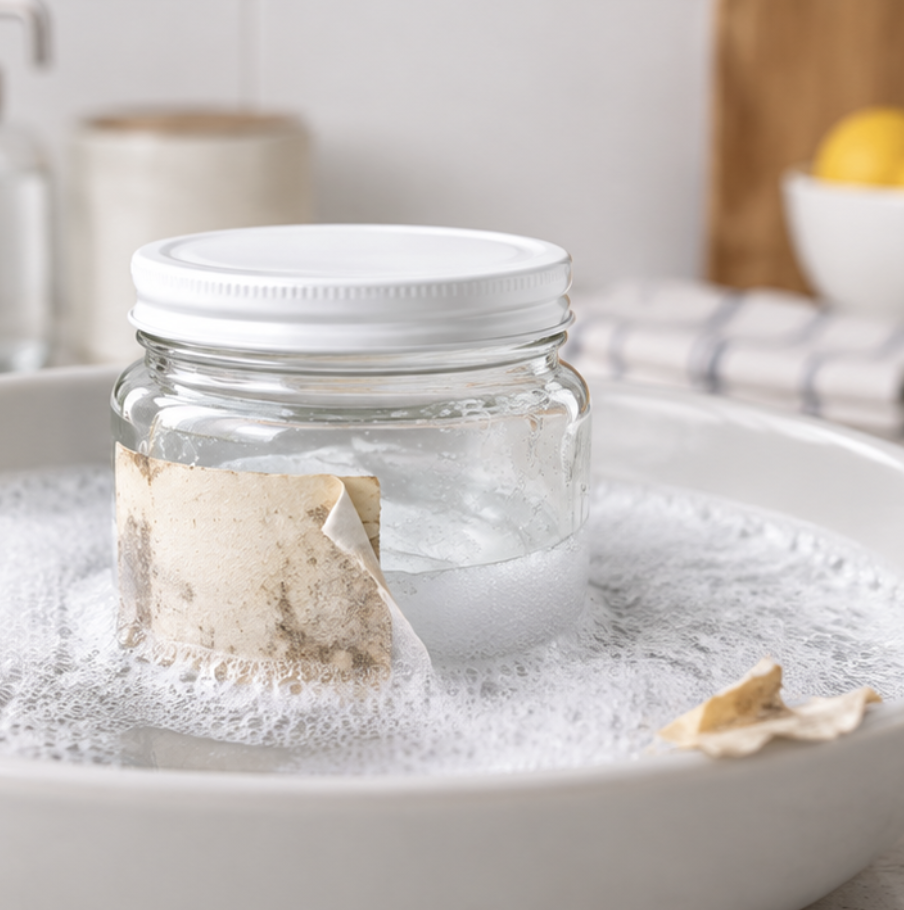
- Soak the jar in warm, soapy water to loosen the label first - Fill a sink or basin with warm water and a few drops of dish soap, then submerge the jar for 15 to 20 minutes. This softens most paper and standard adhesive labels enough that they peel away in one piece rather than tearing into small, frustrating pieces.
- Remove remaining adhesive residue with oil or a dedicated remover - A sticky residue often remains even after the label itself comes off. A small amount of cooking oil or a commercial adhesive remover, rubbed in and left for a few minutes, breaks down most residual adhesive so it wipes away cleanly rather than needing to be scraped.
- Wash the jar thoroughly with hot, soapy water - Once the label and adhesive are gone, wash the jar inside and out with hot water and dish soap, paying particular attention to the threads and neck area, where old product residue tends to collect and hide.
- Sanitize with a boiling water bath or a dishwasher's sanitize cycle - For jars that will hold a new food, cosmetic, or personal care product, washing alone isn't enough - submerge clean jars in boiling water for 10 minutes, or run them through a dishwasher's sanitize cycle if it has one, to actually kill bacteria rather than just removing visible residue.
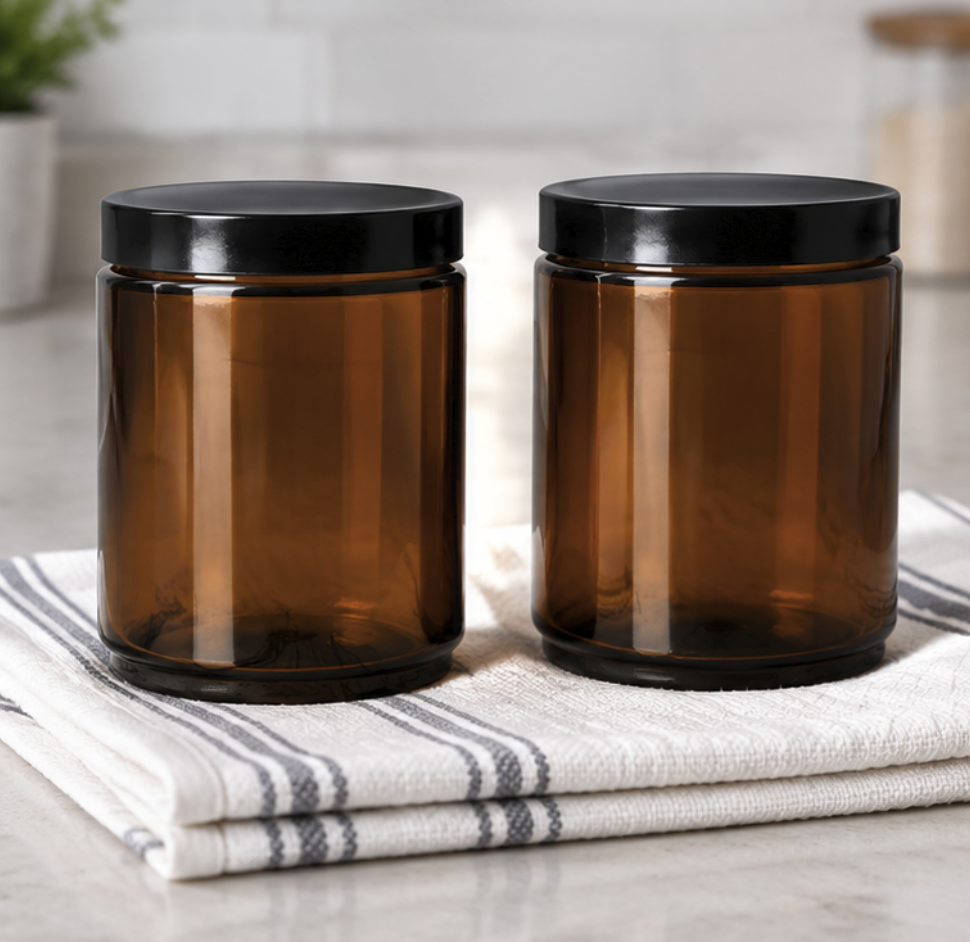
- Let jars air dry completely before refilling - Any trapped moisture left inside a jar can encourage mold or dilute a new product unpredictably. Let jars air dry fully, upside down on a clean towel, rather than drying them with a cloth that could reintroduce lint or bacteria.
- Inspect for chips, cracks, or a damaged finish before reuse - A jar with a chipped rim, a hairline crack, or a finish that no longer seats a cap securely should be retired rather than reused, since these issues compromise the seal and the jar's structural safety.
This information is provided as general guidance only and is not a guarantee of sanitation, safety, or suitability for any specific use. Requirements for reusing a container safely vary depending on what you intend to store in it, and food, cosmetic, and personal care products in particular may be subject to additional local, state, or federal regulations beyond general cleaning practices. SKS Bottle & Packaging is not responsible for product failure resulting from a reused container, and we recommend consulting the relevant health and safety guidelines for your specific product and industry before reusing any container for a new purpose.
Related Containers & Closures You May Like
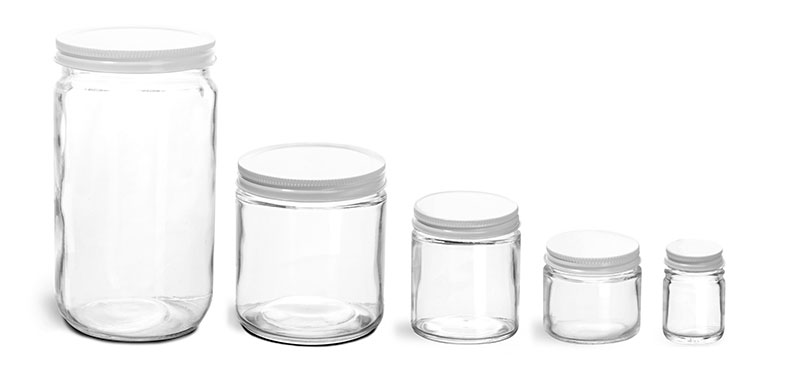 Clear Glass Jars, Clear Straight Sided Glass Jars w/ White Metal Plastisol Lined Caps
 Clear Glass Jars, Clear Straight Sided Glass Jars w/ Black Metal Plastisol Lined Lug Caps
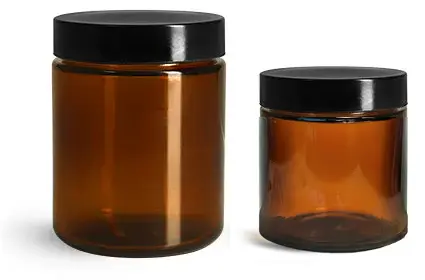 Amber Glass Straight Sided Jars w/ Black Phenolic PV Lined Caps
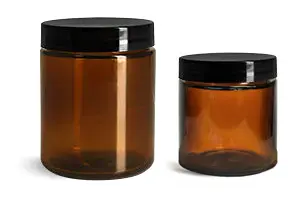 Amber Glass Straight Sided Jars w/ Black Smooth PE Lined Caps
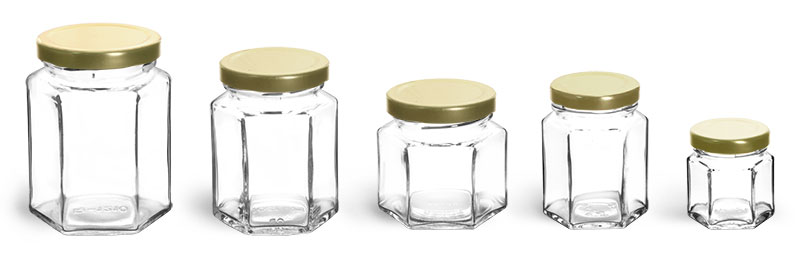 Clear Glass Jars, Clear Glass Hexagon Jars w/ Gold Lug Caps
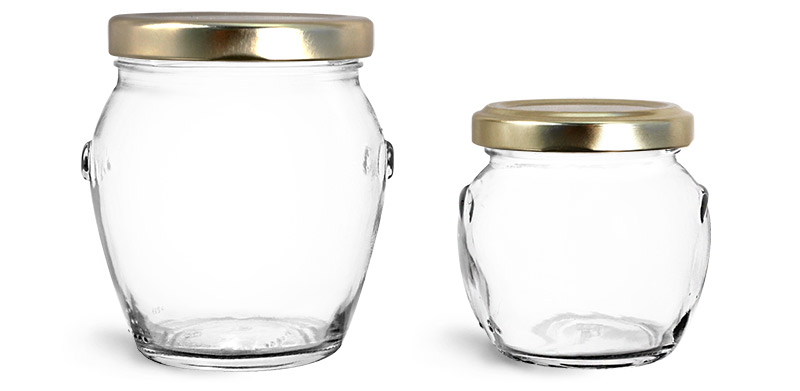 Clear Glass Jars, Clear Glass Honey Pot Jars w/ Gold Metal Plastisol Lined Lug Caps
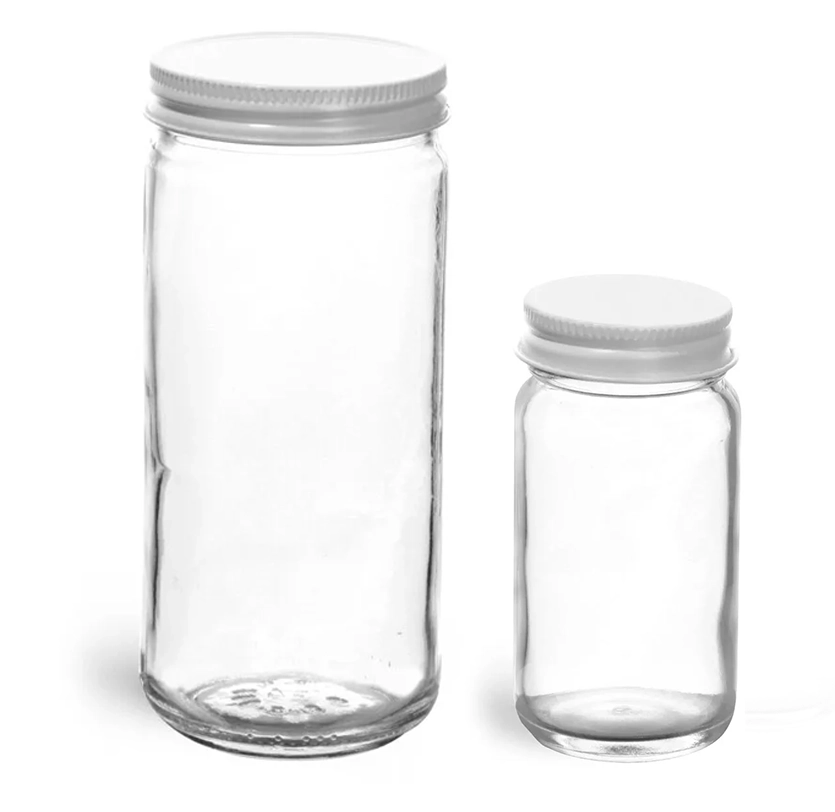 Clear Glass Jars, Clear Glass Paragon Jars w/ White Metal Plastisol Lined Caps
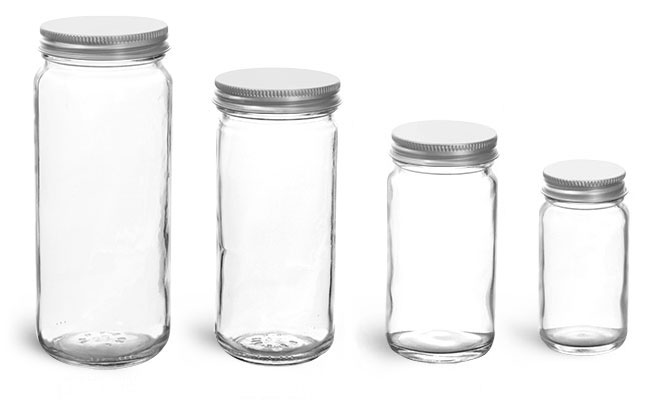 Clear Glass Jars, Clear Glass Paragon Jars w/ Lined Aluminum Caps
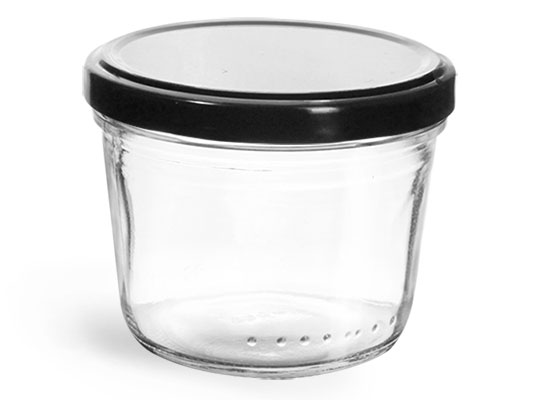 Clear Glass Jars, Clear Glass Wide Mouth Tapered Jars w/ Black Metal Lug Caps
How to Clean and Reuse Glass Jars for Refilling FAQ
Reusing glass jars safely means going beyond a quick rinse - full label and adhesive removal, real sanitizing, and a careful check for damage before the jar goes back into use.
What's the Best Way to Remove a Stuck-On Label?
Soaking the jar in warm, soapy water for 15 to 20 minutes softens most adhesive enough that the label peels away in one piece.
How Do I Get Rid of Sticky Residue After the Label Is Off?
A small amount of cooking oil or a commercial adhesive remover, rubbed in and left for a few minutes, breaks down most residue so it wipes away cleanly.
Is Washing With Soap Enough to Reuse a Jar Safely?
Not for food or cosmetic products - washing removes visible residue, but a boiling water bath or a dishwasher's sanitize cycle is needed to actually kill bacteria.
How Should I Dry a Jar Before Refilling It?
Air dry jars fully, upside down on a clean towel, rather than wiping them dry with a cloth that could introduce lint or bacteria.
When Should I Stop Reusing a Glass Jar?
Retire a jar with a chipped rim, a hairline crack, or a finish that no longer seats a cap securely, since these issues compromise both the seal and the jar's structural safety.
Related Packaging Information
- Buyer's Guide: Canning and Pickling Jars
- How to Store Empty Bottles and Jars Without Damage or Degradation
Why Businesses Choose SKS Bottle & Packaging
SKS Bottle & Packaging makes it easy to order bottles, jars, and packaging supplies online. From fast shipping to flexible savings programs, our goal is to help businesses of all sizes source reliable packaging with a smooth and efficient ordering experience.
Chat with Us