


 Shop All Packaging
 Glass Containers
 Plastic Containers
 Metal Containers
 Cardboard Containers
 Bulk Containers
 Industrial Containers
 Caps / Closures
 Shrink Bands
 Design Custom Labels
 Subscribe & Save Orders
 Shop By Industry
 Custom Packaging
 Pallet Qty Packaging
 SKS Direct Wholesale
 Packaging Equipment
 Help/Info
 New Products
 Promotions
 Newsletters
 Product Specials
 Combo Kit Deals
 Product Closeouts
 Recently Back In Stock









Buyer's Guide: Cosmetic Packaging Containers
Matching Jars, Bottles & Dispensing Options to Your Formula's Viscosity
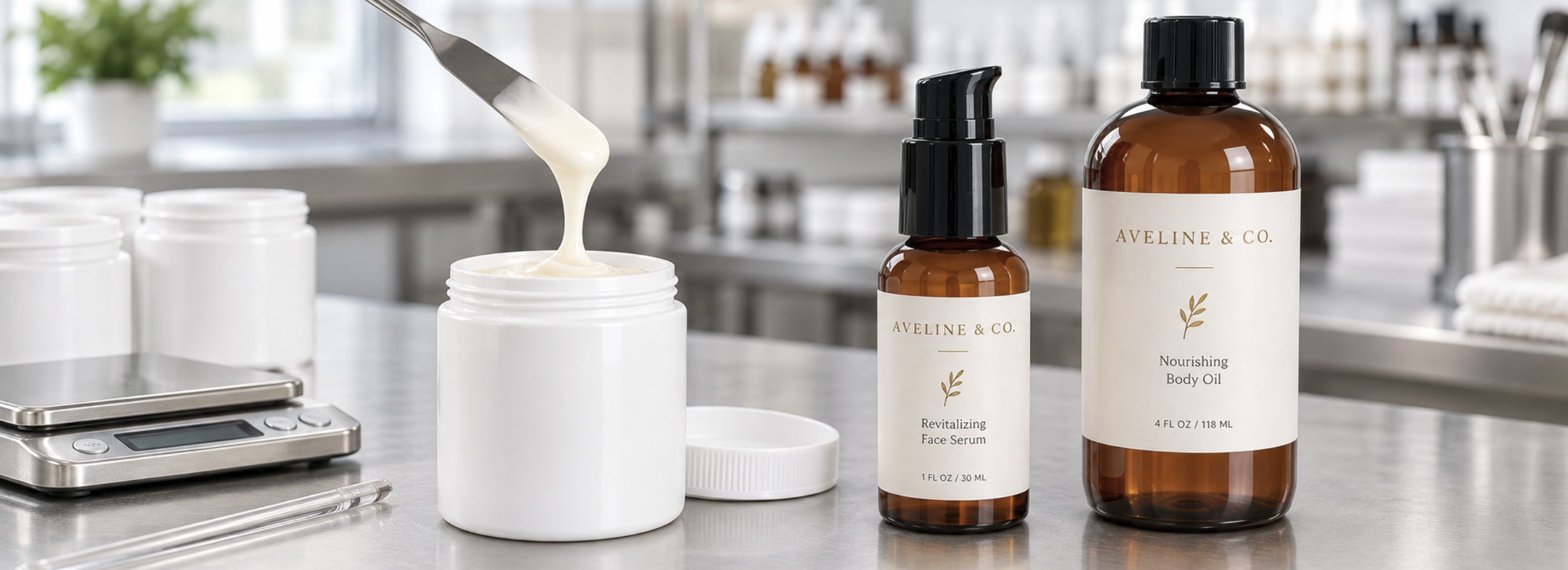
Cosmetic packaging has to do more than hold a formula - it needs to dispense product cleanly, protect active ingredients, and present well on a shelf or in a photo. This guide walks through the real decisions behind sourcing cosmetic packaging containers, starting with the one factor that should drive every other choice: your formula's actual viscosity. Visit our full cosmetic containers industry page to browse the complete range.
Start With Viscosity, Not With Shape
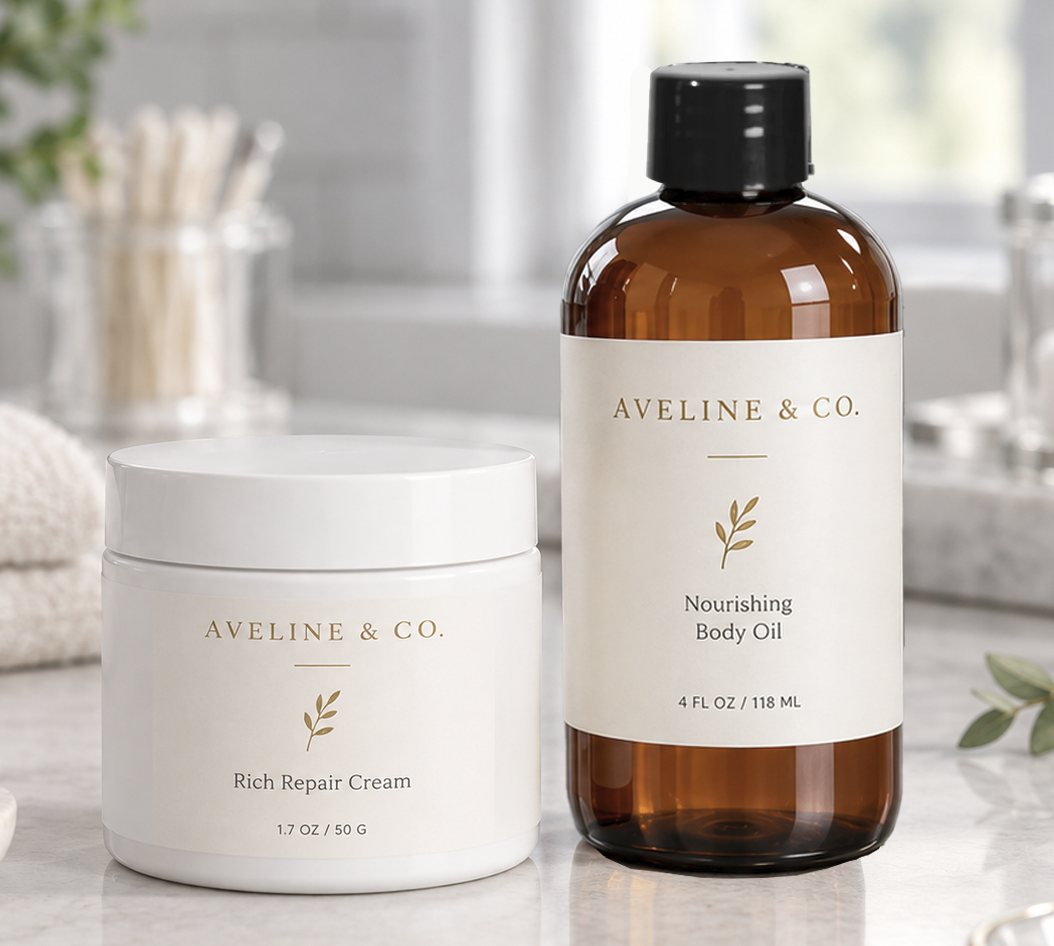
A common cosmetic packaging mistake is choosing a dispensing format that fights against the formula's texture. A thick balm forced into a pump bottle will clog or dispense unevenly, while a thin serum poured into a wide-mouth jar invites contamination and evaporation between uses. Before browsing shapes or finishes, know where your formula sits on the spectrum from pourable liquid to solid, since that factor should narrow your real options before aesthetics enter the conversation at all.
Cosmetic Jars vs. Bottles: Matching Format to Formula
Cosmetic jars are the standard format for thicker formulas like creams, balms, and body butters, where a customer needs to scoop or dip product out with a finger or applicator rather than pour or pump it. Wide-mouth access matters here, since a narrow opening makes it difficult to reach a thick product near the bottom of the container. For thinner lotions, serums, and liquid formulas, a bottle paired with the right dispensing mechanism offers more controlled, mess-free application, and also helps protect a formula from the repeated air exposure and finger contact a jar format allows.Dispensing Options for Liquid Cosmetic Formulas
A lotion pump delivers a controlled, repeatable dose with each press, making it the standard choice for daily-use lotions, body washes, and shampoos where consistent portioning matters to the customer experience. A finer treatment pump delivers a smaller, more precise dose suited to concentrated serums and treatment products where a customer uses only a small amount per application. Fine mist sprayers work well for toners, setting sprays, and lightweight facial mists where an even, dispersed application matters more. For all of these mechanisms, confirm the pump's dip tube length matches your bottle's height, since a mismatched tube can leave usable product stranded at the bottom of a bottle.- Lotion pumps: controlled, repeatable dosing for everyday liquid formulas
- Treatment pumps: smaller, more precise dosing for concentrated serums
- Fine mist sprayers: even, dispersed application for toners and facial mists
Glass Options: Thick Wall Jars and Roll-On Bottles
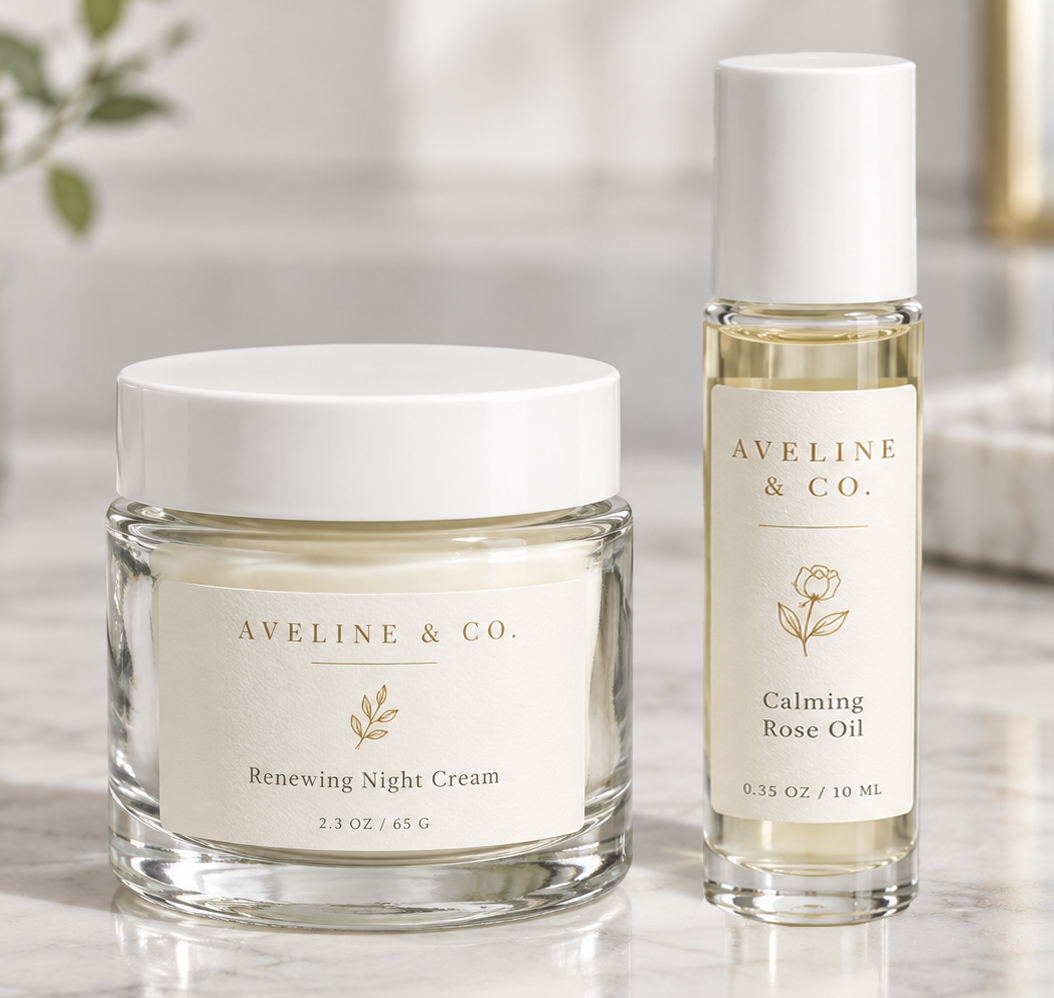
Glass remains a strong choice for brands prioritizing a premium feel and complete chemical inertness. Thick wall cosmetic jars give cream and balm formulas a substantial, weighty presentation that plastic can't quite replicate, with a range of cap finishes available - black phenolic, white, silver, and matte options among them - to match a brand's overall aesthetic. For roll-on applications like perfume oils, targeted serums, or cooling gels, glass roll-on bottles pair a rollerball applicator with the same chemical inertness glass offers everywhere else, and come in clear, amber, and frosted color options with matching or contrasting cap colors, giving brands flexibility to build a cohesive line.Material and Sustainability Considerations
Cosmetic packaging materials range from glass, which offers a premium feel and complete chemical inertness, to various plastics selected for weight, cost, and specific formula compatibility. Brands increasingly consider recycled-content plastics like PCR or bio-based materials as part of a broader sustainability positioning, though confirming that any recycled-content packaging still meets your formula's specific barrier and compatibility needs is worth doing before switching. Whatever material you choose, testing your actual formula in the actual container over an extended period - not just a quick compatibility check - is the only reliable way to catch a packaging-formula interaction before it becomes a customer-facing problem.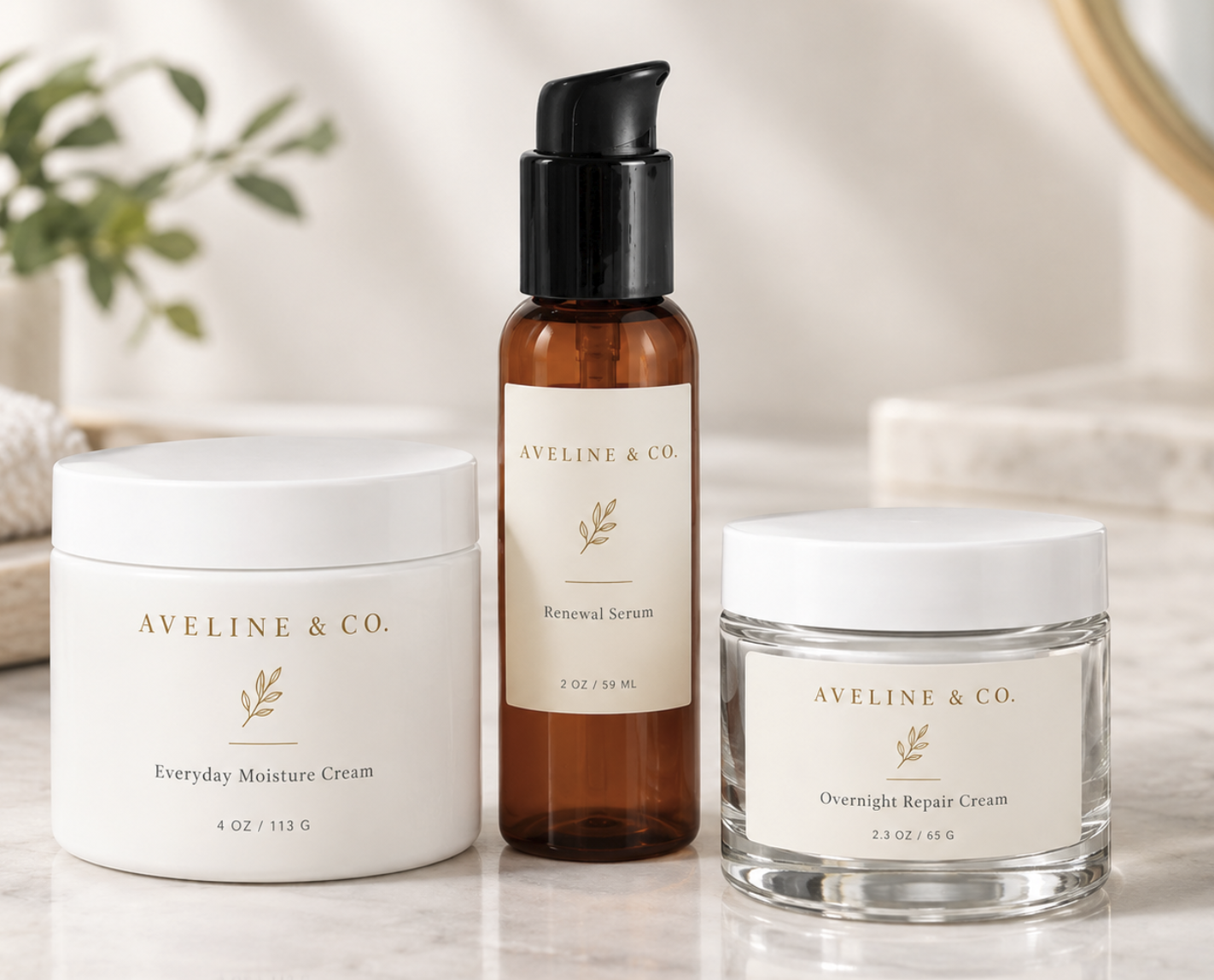
Building a Cohesive Cosmetic Product Line
Most cosmetic brands don't launch with a single product - they launch with a line, and the packaging decisions above compound across every SKU in that line. Standardizing on one or two cap colors across different jar and bottle shapes, for instance, gives a line visual cohesion on a shelf without forcing every product into the same container shape, which rarely suits every formula in a range. Many brands also intentionally vary material by product tier within one line - glass for a flagship serum or cream, plastic for an everyday cleanser or lotion sold at higher volume - using material itself as a signal of where a product sits in the line's pricing and positioning. Whatever combination of jars, bottles, and closures you land on, ordering samples of your full intended lineup together, side by side, before finalizing any one piece is the most reliable way to catch a color mismatch or a size that looks off standing next to the rest of the line - something that's easy to miss when evaluating each container in isolation.Cosmetic Packaging Containers You May Like
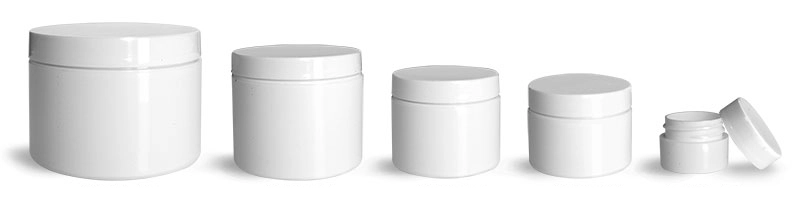 Polypropylene Plastic Jars, White Double Wall Jars w/ White Lined Caps
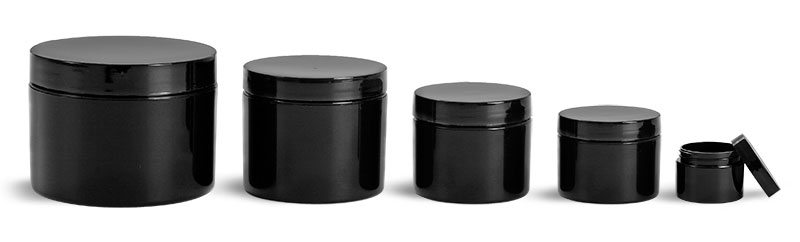 Polypropylene Plastic Jars, Black Double Wall Jars with Smooth Black PE Lined Caps
 Plastic Bottles, Amber PET Cosmo Round Bottles w/ Black Lotion Pumps & Treatment Pumps
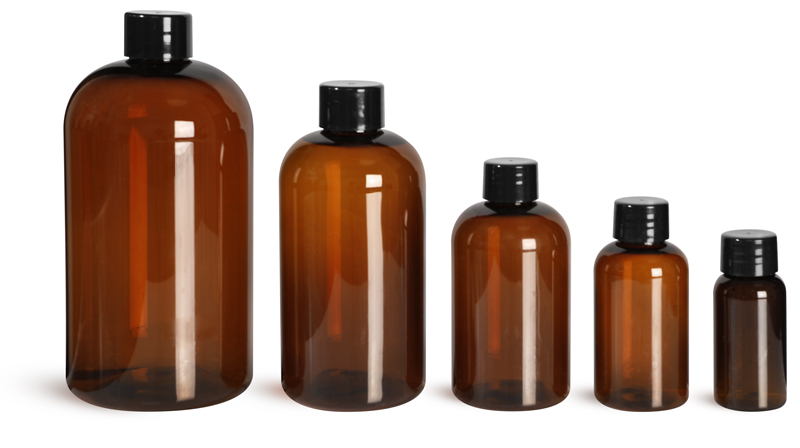 Plastic Bottles, Amber PET Boston Round Bottles w/ Smooth Black Plastic Lined Caps
Cosmetic Packaging FAQ
The right cosmetic container starts with your formula's viscosity and how a customer will actually use the product day to day. Match jar or bottle format to consistency first, then choose a dispensing mechanism that delivers the right dose for how your product is meant to be applied.
How Do I Know If I Need a Cosmetic Jar or a Bottle?
It largely comes down to viscosity - formulas thick enough to hold their shape when scooped work well in a jar, while thinner, pourable formulas are better suited to a bottle with a pump or sprayer.
What's the Difference Between a Lotion Pump and a Treatment Pump?
A lotion pump delivers a larger, more generous dose suited to everyday products like body lotion, while a treatment pump delivers a smaller, more precise dose better suited to concentrated serums.
Do I Need to Test My Formula in the Actual Packaging?
Yes - even compatible materials can interact differently with a specific formula over time, so testing your formula in your chosen container over an extended period is the only reliable way to catch potential issues.
Is Glass or Plastic Better for Cosmetic Packaging?
Glass offers a premium feel and complete chemical inertness, while plastic is lighter, often more affordable, and available in specialty options like recycled content - the right choice depends on your formula, budget, and brand positioning.
Why Businesses Choose SKS Bottle & Packaging
SKS Bottle & Packaging makes it easy to order bottles, jars, and packaging supplies online. From fast shipping to flexible savings programs, our goal is to help businesses of all sizes source reliable packaging with a smooth and efficient ordering experience.
Chat with Us